April 2026 Patch Tuesday: Record-breaking Security Updates and Critical Zero-days
Microsoft's April 2026 Patch Tuesday has arrived with an unprecedented wave of security updates, addressing a staggering 167 vulnerabilities across Windows and related software. Among them are a critical SharePoint Server zero-day under active attack, a publicly exposed Windows Defender flaw dubbed BlueHammer, and a Chrome zero-day from Google. Additionally, Adobe issued an emergency fix for an exploited Reader vulnerability. This record-breaking release underscores the escalating threat landscape, with experts linking the surge to AI-driven vulnerability discovery. Below, we break down the key updates and what they mean for your security.
1. What is the scale of Microsoft's April 2026 Patch Tuesday?
Microsoft's April 2026 updates fix a total of 167 security vulnerabilities, making it the second-largest Patch Tuesday ever, according to Tenable's Satnam Narang. This includes nearly 60 browser-related flaws, which Rapid7's Adam Barnett calls a new record in that category. The massive count is partly due to Microsoft Edge's Chromium foundation, which inherited bugs from the open-source project. While some speculated a link to the recently announced Project Glasswing AI from Anthropic, Barnett notes the Chromium maintainers had already credited many researchers. However, he expects AI will drive even greater vulnerability reporting in the future, advising organizations to prepare for sustained high volumes.

2. What is CVE-2026-32201 and why should you care?
CVE-2026-32201 is a critical zero-day in Microsoft SharePoint Server that allows attackers to spoof trusted content or interfaces over a network. Mike Walters of Action1 warns it can be used to deceive employees, partners, or customers by presenting falsified information within trusted SharePoint environments. This opens the door to phishing attacks, unauthorized data manipulation, or social engineering campaigns. Microsoft confirms active exploitation, meaning attackers are already leveraging this flaw. Immediate patching is essential for organizations using SharePoint, as the risk of compromise is significantly elevated while the vulnerability remains unaddressed.
3. What is the BlueHammer vulnerability (CVE-2026-33825)?
BlueHammer, officially CVE-2026-33825, is a privilege escalation bug in Windows Defender. Discovered by a researcher who published exploit code after growing frustrated with Microsoft's response, the flaw drew attention for its public disclosure. Will Dormann of Tharros confirmed that installing today's patches renders the public exploit code ineffective. However, the incident highlights ongoing tensions between researchers and vendors over disclosure timelines. BlueHammer could have allowed attackers to gain elevated system privileges, making it a dangerous vector for further compromise. Users should prioritize this update to close the window of risk created by the public exploit.
4. What about Google Chrome and Adobe Reader updates?
Outside Microsoft's Patch Tuesday, Google patched its fourth zero-day of 2026 for Chrome, while Adobe issued an emergency update for Reader addressing CVE-2026-34621. This Adobe flaw has been actively exploited since at least November 2025, according to Narang, and can lead to remote code execution. Both vulnerabilities underscore the importance of updating all software, not just the operating system. Chrome users should ensure they're running the latest version by checking the browser's help menu. For Adobe Reader, the emergency patch is automatically applied in typical setups, but manual verification is recommended.
5. Why are there so many browser vulnerabilities this month?
The record number of browser vulnerabilities (nearly 60) stems primarily from Microsoft Edge's reliance on the Chromium engine. The Chromium project routinely aggregates contributions from many security researchers, and Microsoft republished these fixes last Friday. While some drew connections to the Project Glasswing AI announcement, Adam Barnett suggests a safer conclusion: AI capabilities are expanding rapidly, enabling faster and more comprehensive bug discovery. He predicts further increases in vulnerability reporting as AI models improve. This trend means organizations must bolster their patch management processes to keep up with the growing volume of critical updates.
6. How should users respond to these patches?
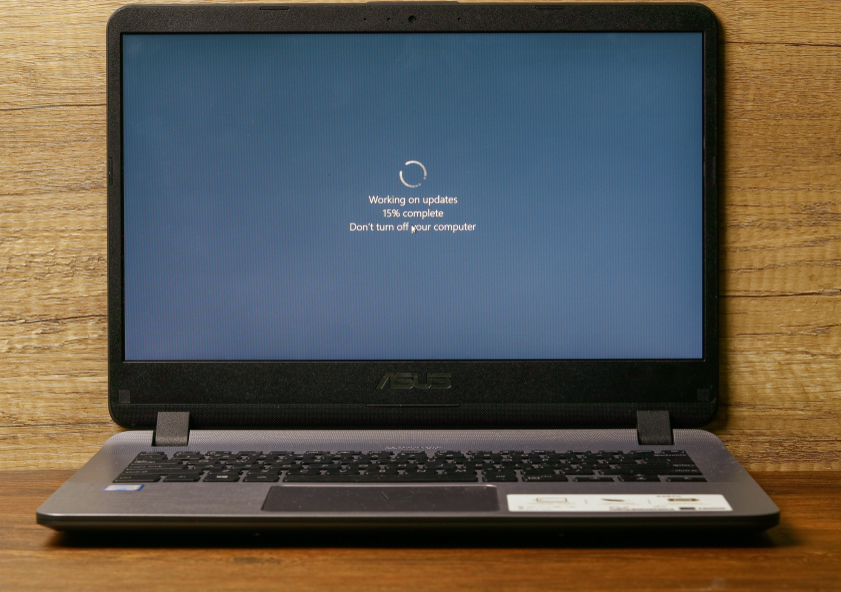
Apply all available updates immediately, especially for SharePoint, Windows Defender, and your browser (whether Chrome, Edge, or another Chromium-based choice). Restart your browser completely after updating, as simply refreshing tabs may not activate the fixes. For Windows, enable automatic updates or manually check via Settings > Update & Security. Adobe Reader updates are usually pushed automatically, but verify under Help > Check for Updates. Beyond patching, organizations should review their phishing defenses given the SharePoint spoofing risk. With AI-driven vulnerability discovery on the rise, proactive security hygiene—including asset inventory and regular patch cycles—is no longer optional but essential.