Travel Your Way to a Younger You: A Step-by-Step Anti-Aging Travel Plan
Introduction: The Science of Travel as an Anti-Aging Tool
Recent research reveals that travel may be one of the most enjoyable ways to slow the aging process. By looking at tourism through the lens of entropy—the natural tendency of systems to move toward disorder—scientists have found that positive travel experiences help the body stay balanced and resilient. When you explore new places, stay physically active, and connect with others, you boost your immune system, improve metabolism, and enhance your ability to recover from stress. But not all travel is equal: stressful or unsafe trips can actually reverse these benefits. This guide will show you how to harness the power of travel to promote longevity and well-being.
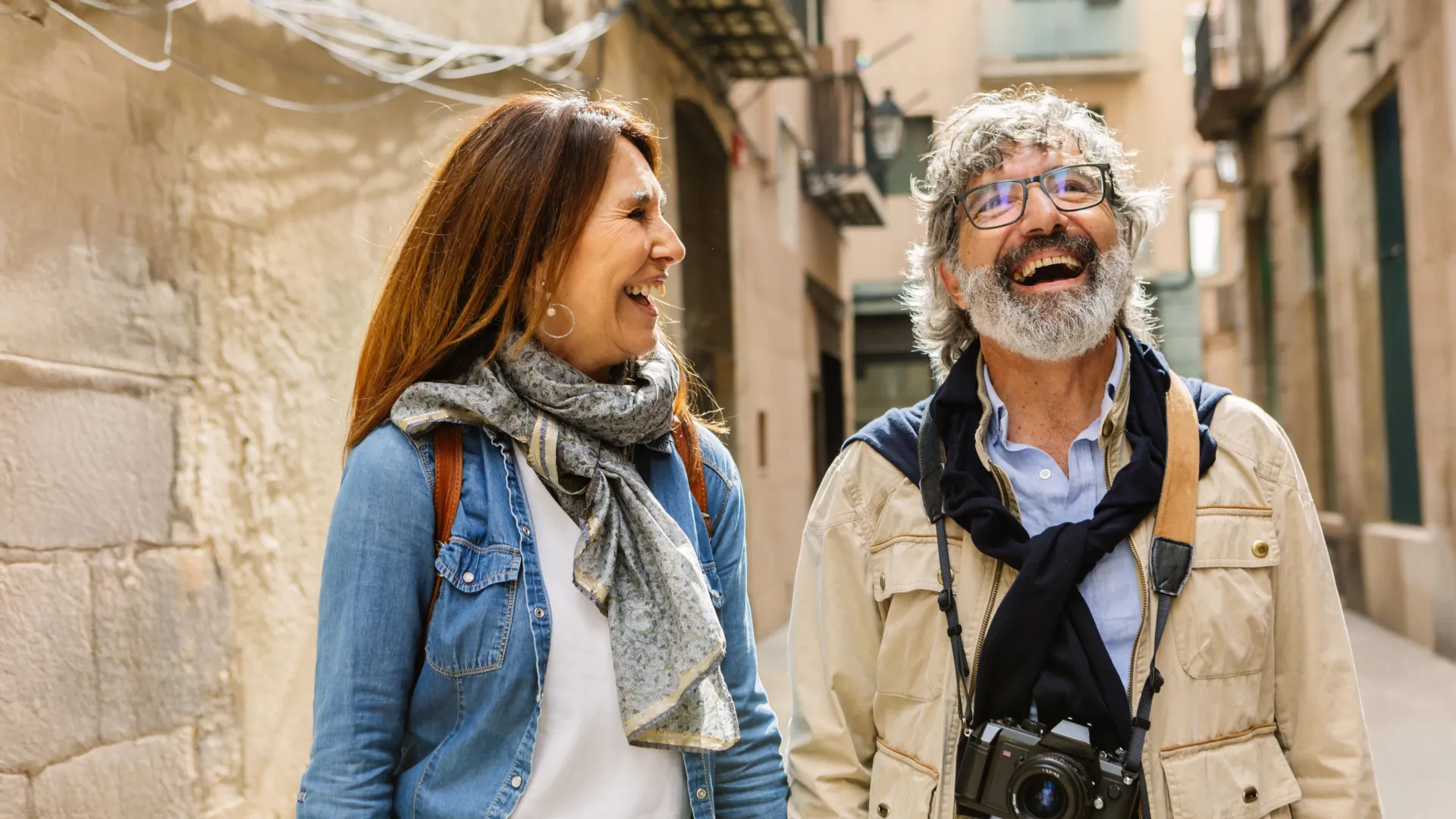
What You Need to Get Started
- An open and curious mindset
- Basic physical fitness (walking, light hiking)
- A willingness to engage with local cultures
- Sensible travel safety planning (research destinations, avoid high-risk areas)
- Flexible itinerary with room for spontaneity
- Healthy snacks and a reusable water bottle
- Comfortable shoes and weather-appropriate clothing
- A journal or digital device to record experiences
Step-by-Step How-To Guide
Step 1: Choose Destinations That Stimulate New Experiences
Not every trip offers anti-aging benefits. To trigger the body’s adaptive systems, pick places that are novel and engaging—think historical cities, natural wonders, or culturally rich towns. Research shows that exposure to new sights, sounds, and smells stimulates neuroplasticity and keeps the brain young. Avoid overly familiar spots or highly commercialized resorts where routine dominates.
Step 2: Incorporate Daily Physical Activity
During your travels, make movement a priority. Walk instead of taking taxis, hike a local trail, or rent a bicycle. Even 30 minutes of moderate activity daily—like exploring a museum on foot or a gentle morning stroll—can boost your metabolism, improve circulation, and reduce inflammation. Plan a few active excursions such as kayaking, swimming, or yoga in a scenic setting.
Step 3: Prioritize Social Connections
Humans are social creatures, and loneliness accelerates aging. While traveling, actively seek out chances to connect with locals or fellow tourists. Join a group tour, eat at communal tables, attend a local festival, or take a cooking class. These interactions release oxytocin, lower cortisol, and strengthen your immune system. Even a warm conversation with a shopkeeper can have a positive effect.
Step 4: Manage Stress and Avoid Risky Situations
Not all travel is beneficial. Stressful experiences—like getting lost in dangerous areas, missing flights, or dealing with unsafe conditions—raise cortisol levels and undermine your health. Research your destination for safety, purchase travel insurance, keep copies of important documents, and build in buffer time for delays. If something goes wrong, use deep breathing or a short walk to reset before it escalates.
Step 5: Embrace Cultural Immersion
To maximize the anti-aging effect, go beyond sightseeing. Learn a few phrases of the local language, try traditional foods, and participate in customs like tea ceremonies or dance workshops. Cultural immersion challenges the brain and creates a sense of wonder, which has been linked to lower levels of inflammatory markers. The more you engage, the more your body reaps the benefits of novelty.
Step 6: Maintain Healthy Eating and Sleeping Habits
Travel often disrupts sleep and diet, which can accelerate aging. Try to stick to a consistent sleep schedule as much as possible—using blackout curtains or earplugs if needed. Choose local, fresh foods over processed fast meals. Stay hydrated, limit alcohol, and consider intermittent fasting if it suits your body. Good nutrition and rest are the foundation of your body’s resilience on the road.
Step 7: Incorporate Mindfulness and Relaxation
While activity is key, so is downtime. Schedule at least 30 minutes a day for quiet reflection—sitting in a park, meditating, or journaling. Mindfulness reduces stress hormones and helps your body recover from the entropy of new experiences. Pair it with a relaxing activity like a gentle foot massage or listening to local music to deepen the benefit.
Step 8: Plan for Downtime and Flexibility
A packed itinerary can backfire, leading to burnout and weakened immunity. Leave empty slots for spontaneity or rest. For every three days of active exploration, build in a slower day—maybe a leisurely breakfast, a short walk, and an early night. Flexibility reduces cortisol spikes and allows your body to truly adapt and rejuvenate.
Tips for Making Your Travel Anti-Aging Journey Work
- Start small: Even a weekend trip can provide benefits if you follow these steps.
- Listen to your body: If you feel exhausted, rest. Pushing through may backfire.
- Combine familiar with new: Mixing a bit of routine (like morning coffee) with novel experiences helps your body adapt without overwhelming it.
- Track your progress: Note how you feel after each trip—energy levels, mood, sleep quality—to fine-tune your approach.
- Avoid negative travel: Trips filled with conflict, danger, or high stress can undo the anti-aging gains. Choose destinations and companions that promote positivity.
- Use technology wisely: Limit screen time to reduce information overload, but use apps for local discovery or relaxation exercises.
Remember, the science is clear: positive travel experiences that include novelty, activity, social connection, and smart stress management can help slow the aging process. By planning your journey with intention, you can return home not just with memories, but with a healthier, more resilient body.