Maryland Lawmakers Demand Answers from Apple Over Unionized Store Closure, Cite 90 Jobs at Risk
Maryland Lawmakers Demand Answers from Apple Over Unionized Store Closure, Cite 90 Jobs at Risk
Nine members of Maryland's congressional delegation have sent a blistering letter to Apple CEO Tim Cook and hardware chief John Ternus, demanding an explanation for the company's decision to permanently close its unionized retail store in Towson on June 20 without plans for a replacement. The store, located at the Towson Town Center mall, was the first Apple retail location in the U.S. to unionize and employs about 90 workers.
“We recognize that decisions of this scale involve complex business considerations,” the lawmakers wrote in the letter obtained by sources. “However, we urge Apple to reconsider whether there are viable paths forward that would preserve jobs and maintain a retail presence in the region. Maryland residents value employers who invest in their workforce and demonstrate a sustained commitment to the communities they serve.” The letter was signed by two U.S. senators and seven representatives, all Democrats.
The lawmakers expressed “serious concern” about Apple's abrupt closure, noting that the Towson location had been “a strong-performing site.” Local news reports, however, describe the mall as struggling, having lost anchor tenants such as Tommy Bahama, Banana Republic, and Madewell. The closure will “significantly affect” residents and small businesses across the Baltimore region, the letter stated, as well as the store's employees.
Apple has said the decision to shutter the Towson store—along with two other locations in Connecticut and California—was driven by the “departure of several retailers” and “declining conditions” at the shopping malls. In a statement, the company confirmed that employees at the Trumbull, Conn., and North County, Calif., stores will be transferred to nearby Apple locations. But for Towson workers, union representation may complicate matters: Apple said they will be eligible to apply for open roles under the collective bargaining agreement, yet no guarantees of placement have been made.
The Towson staff made history in 2022 by becoming Apple's first U.S. retail employees to unionize, joining the International Association of Machinists and Aerospace Workers' Coalition of Organized Retail Employees (IAM CORE). They signed a labor contract with Apple in 2024. Last month, the union filed an unfair labor practice charge with the National Labor Relations Board over the closure, alleging Apple failed to bargain in good faith.
Background
The unionization drive at Apple Towson Town Center began in June 2022, when workers voted 65–33 to join IAM CORE. The effort was seen as a landmark for organized labor in the tech retail sector. Apple initially challenged the vote but later recognized the union. A collective bargaining agreement was ratified in early 2024, covering wages, scheduling, and job security provisions.
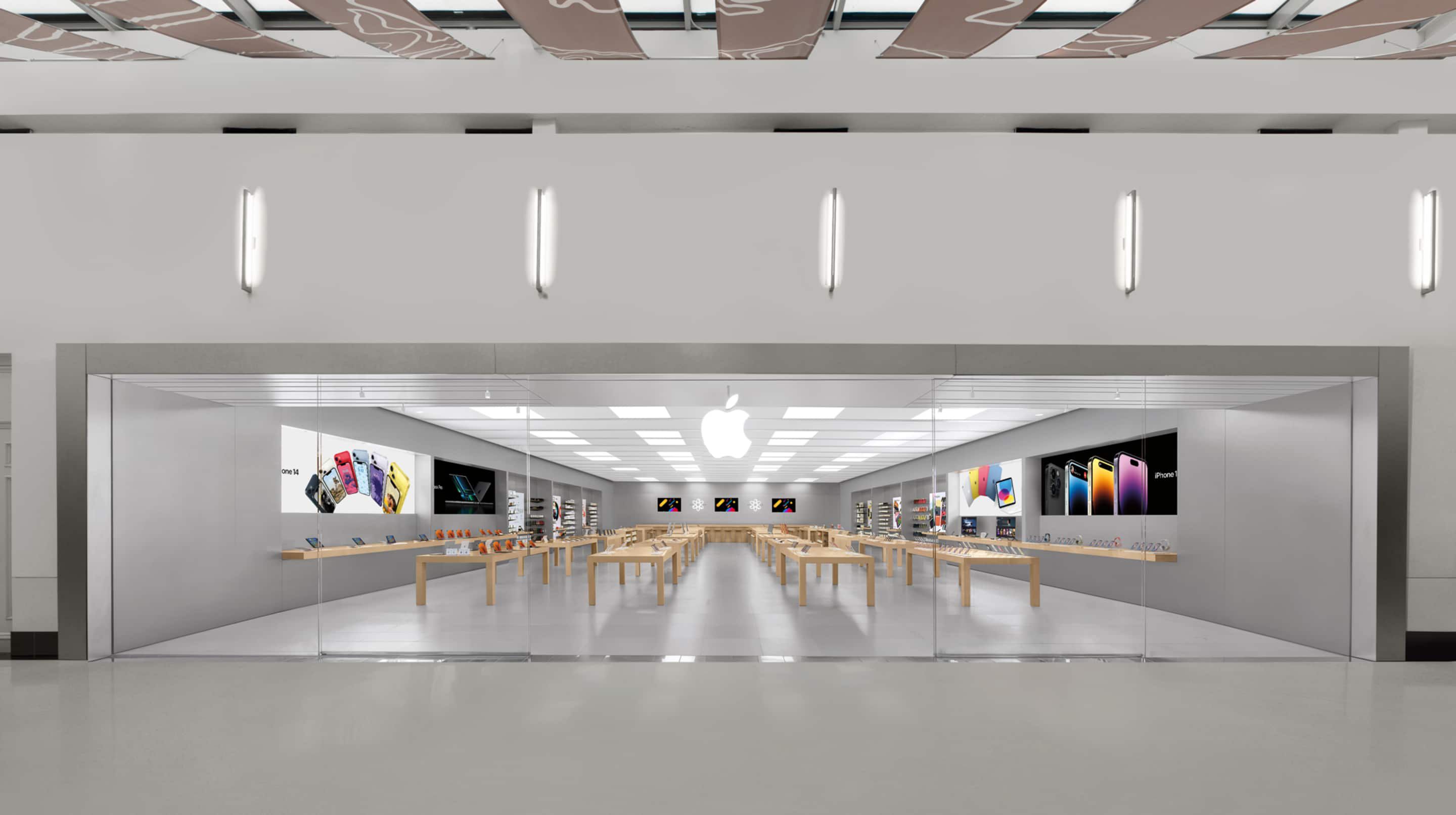
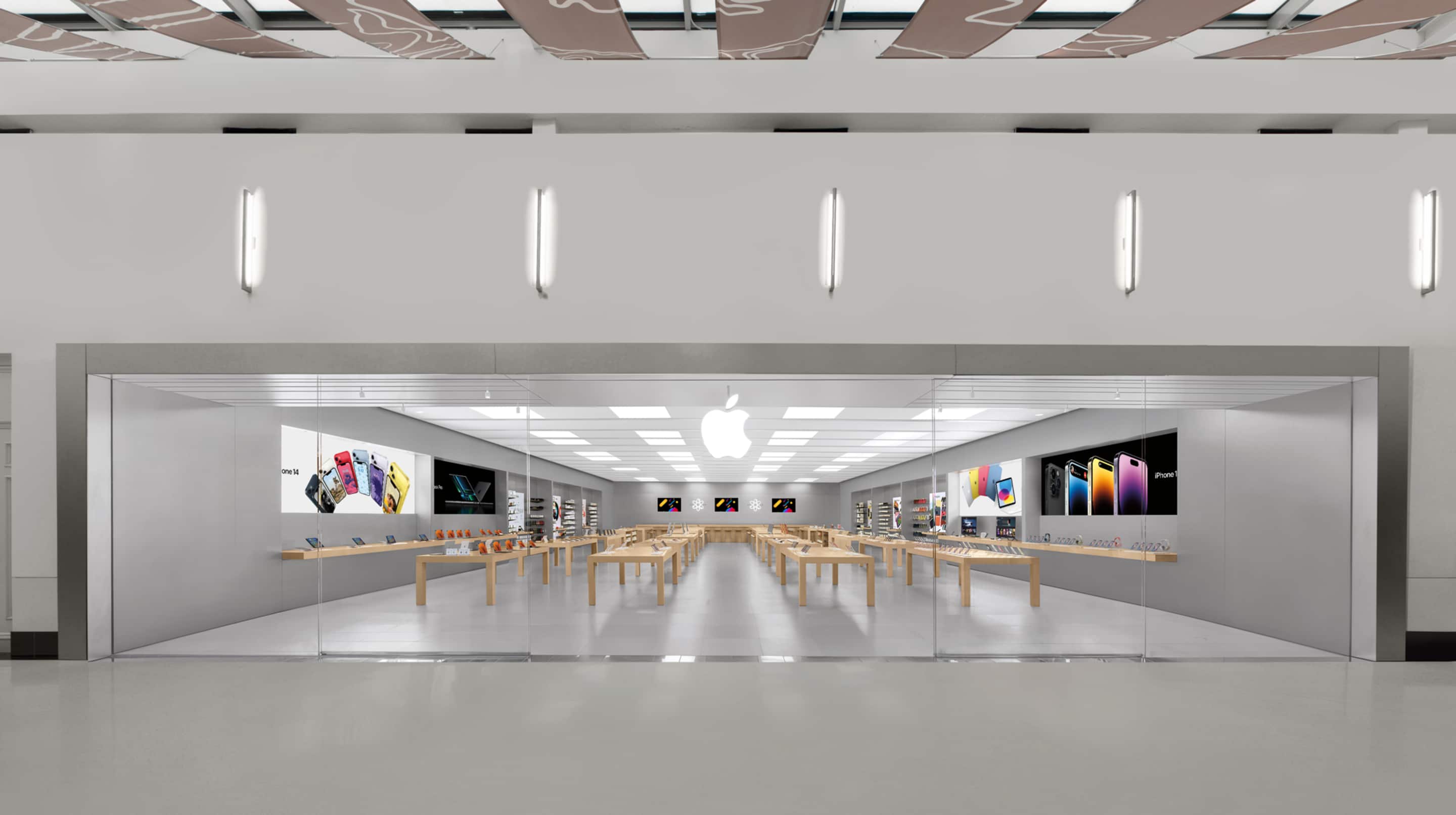
The Towson store's closure is part of a broader Apple retail restructuring. In addition to Towson, the company is closing stores in Trumbull, Conn., and North County, Calif. All three malls have experienced declining foot traffic and anchor tenant losses. Apple, however, did not announce any replacement stores in the Baltimore market, raising fears of a corporate retreat from the region.
What This Means
The lawmakers' letter signals escalating political scrutiny over Apple's labor practices. With 90 jobs at stake, the closure could embolden other unionized retail workers and fuel calls for stronger federal protections. Maryland's delegation has offered to “engage constructively” with Apple, but the company has not yet responded publicly to the letter.
If the NLRB finds merit in the union's charge, Apple could face legal penalties and orders to reinstate workers or reopen bargaining. More broadly, the case tests whether unionized retail employees can rely on collective bargaining to prevent mass layoffs or store closures—an issue that will likely resonate as other service-sector unions watch closely.