How Chinese EV Brands Are Preparing to Enter Canada: A Step-by-Step Breakdown
Introduction
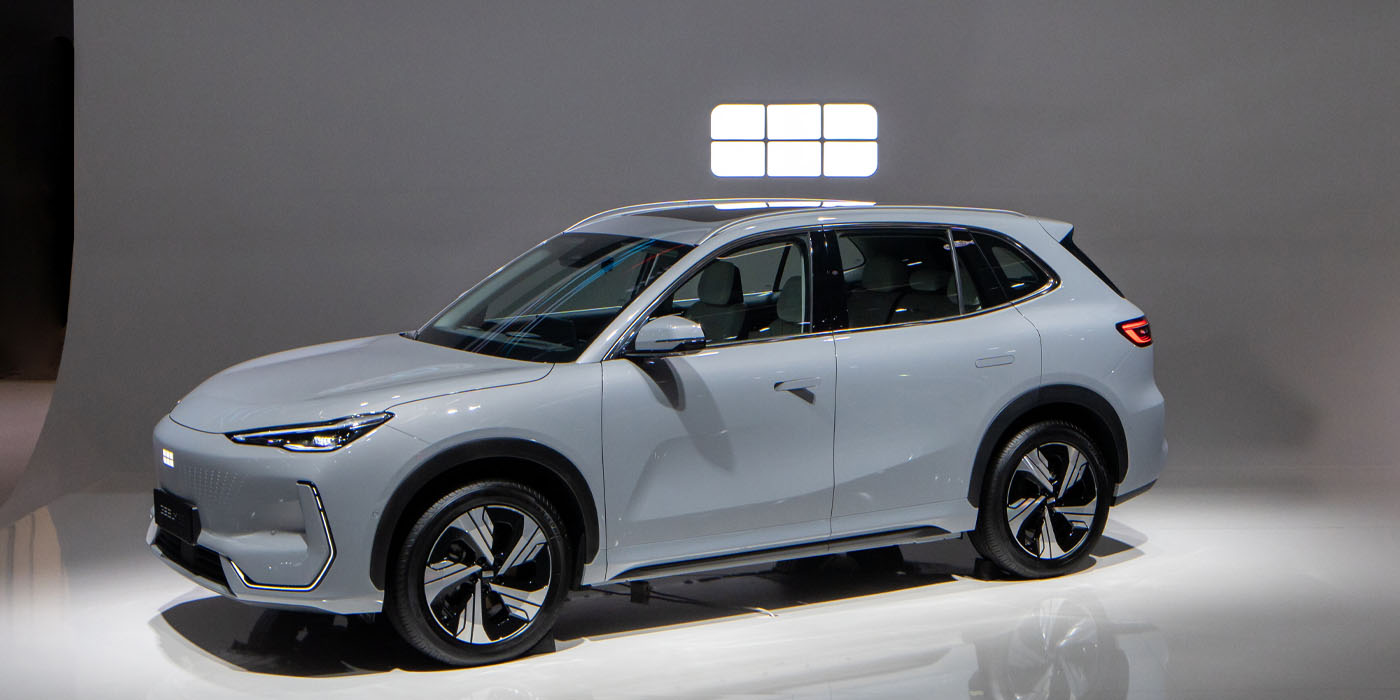
Canada's recent decision to slash tariffs on Chinese-built electric vehicles (EVs) from 100% to just 6.1% has opened the door for major Chinese automakers to enter the market. While companies like BYD, Chery, and Geely are actively laying the groundwork—hiring staff, scouting dealership locations, and registering trademarks—none have started selling cars yet. Meanwhile, Tesla and Polestar, already established with existing sales infrastructure, are the biggest beneficiaries so far. This guide walks you through the step-by-step process these automakers are following to launch in Canada, helping you understand what to expect and when.
What You Need
- Basic awareness of Canada's EV market and tariff changes
- Understanding of Chinese automakers' global expansion strategies
- Access to news and industry reports (e.g., trademark filings, hiring announcements)
- Patience—the process takes months, not weeks
Step-by-Step Guide
Step 1: Secure a Favorable Trade Environment
The first and most critical step for Chinese automakers is ensuring the regulatory landscape supports competitive pricing. Canada's tariff reduction to 6.1% significantly lowers the cost of importing Chinese-built EVs compared to the previous 100% levy. Without this change, affordability would be impossible. Companies monitor trade negotiations closely and may lobby governments to maintain or improve these terms. Note: The decision was made by the Canadian government; automakers can only prepare and advocate.
Step 2: Recruit Local Talent and Leadership
Once the tariff barrier drops, automakers need boots on the ground. BYD, Chery, and Geely are actively hiring for roles such as sales directors, regional managers, marketing specialists, and service technicians. Recruitment focuses on individuals with experience in Canadian automotive retail and knowledge of local regulations. This step often involves setting up a Canadian subsidiary or hiring through a headhunting firm. Key fact: Currently, none of these companies have fully operational teams in Canada—they are still building their workforce.
Step 3: Scout and Secure Dealership Locations
Having staff is useless without physical showrooms and service centers. Automakers send representatives to evaluate potential dealership sites in major metropolitan areas like Toronto, Vancouver, and Montreal. They look for high-traffic locations, proximity to charging infrastructure, and compliance with Canadian zoning and franchise laws. Scouting is underway, but no binding leases or purchases have been publicly confirmed. This step is critical for building a retail network that can support sales and service.
Step 4: Register Trademarks and Intellectual Property
Brand protection is a non-negotiable early step. Automakers file trademark applications for their brand names, model names, and logos with the Canadian Intellectual Property Office. This prevents competitors or counterfeiters from using similar marks. Geely, for example, has registered several trademarks in Canada, and BYD has done the same for its vehicle lineup. Registering early also secures the company's right to use those names in advertising and sales once they officially launch.

Step 5: Build Partnerships with Existing Infrastructure (Optional but Smart)
For automakers that lack a Canadian sales network, partnering with established players can accelerate entry. Tesla and Polestar already have sales infrastructure, and they have benefited from the tariff cut without needing to build from scratch. New entrants like BYD might consider similar partnerships—for instance, using existing dealership groups or sharing service centers. So far, no such partnerships have been announced, but this step remains a possibility as the market evolves.
Step 6: Prepare for First Sales Launch
After completing the above steps—hiring staff, securing locations, registering trademarks, and possibly forming partnerships—automakers can finally start selling. This involves ordering inventory from China, setting up logistics for import, training sales teams, and executing marketing campaigns. As of now, none of the three Chinese automakers have reached this stage, but industry analysts expect the first sales to begin within the next 6–12 months. Early launches may target fleet buyers or focus on a single popular model to test the market.
Tips for Following the Process
- Watch for job postings on LinkedIn or company career pages—hiring surges signal imminent progress.
- Monitor trademark databases (e.g., CIPO) to see new filings from Chinese automakers.
- Track real estate transactions in auto-dealer zones; leases or purchases indicate location scouting is complete.
- Stay informed about federal and provincial EV incentives—they affect pricing and consumer demand.
- Be patient: the regulatory, staffing, and real estate steps typically take 12–18 months from start to first sale.
- Remember that Tesla and Polestar already have a head start—they are selling cars now, while newcomers are still building foundation.
By understanding these steps, you can anticipate exactly when and how Chinese EVs will arrive on Canadian roads. The race is on, but the finish line is still months away.