How to Stay Ahead in the Laptop Market: What Apple's Possible Price Change Means for You
Introduction
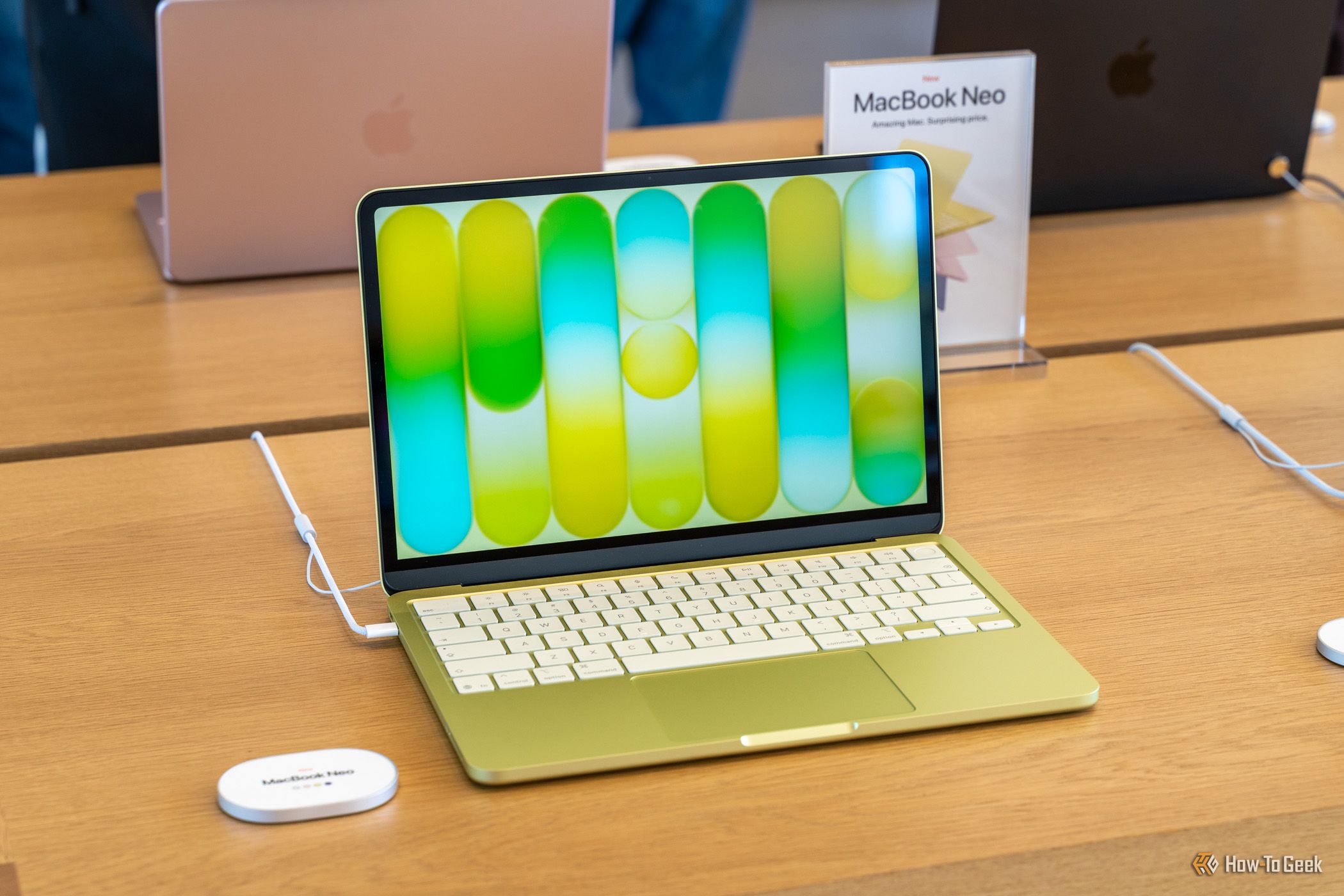
Apple's MacBook Neo has been a game-changer in the laptop market, largely because its $599 starting price made it a fierce competitor against many Windows PCs. However, recent reports suggest that Apple might discontinue this model or increase its price, potentially eroding that advantage. If you're considering buying a new laptop, this possible shift could affect your decision. This step-by-step guide will help you understand the implications, evaluate your options, and make an informed choice regardless of Apple's next move.
What You Need
- Access to current laptop pricing and specs from Apple and Windows manufacturers
- A clear budget range for your next laptop purchase
- List of your primary use cases (e.g., productivity, creative work, gaming, portability)
- Time to research models and read reviews
- Optional: A subscription to tech news sources to stay updated on announcements
Step-by-Step Guide
Step 1: Understand the Current Advantage of the $599 MacBook Neo
The MacBook Neo disrupted the market by offering Apple's ecosystem, build quality, and performance at a price point that undercut many comparable Windows laptops. To appreciate what you might lose, note the key factors: the seamless integration with iPhone and iPad, the efficiency of Apple Silicon, and the longevity of macOS updates. Compare these against similar-priced Windows machines. Write down what matters most to you—if the price increases, which benefits are worth paying extra for?
Step 2: Monitor Apple's Official Announcements
Before making any decision, stay tuned to Apple's press releases and events. The rumor that Apple might drop the $599 laptop could be confirmed or denied. Use trusted sources like Apple's website, major tech blogs, or financial news outlets. Bookmark the tips section below for reliable tracking methods.
Step 3: Evaluate Alternatives in the Same Price Range
If Apple raises the price or discontinues the Neo, other brands will fill the gap. Research Windows laptops at the $500–$700 range, such as Dell Inspiron, HP Pavilion, Lenovo IdeaPad, or Chromebooks like the Google Pixelbook Go. Also consider refurbished or previous-generation MacBook Air models. Create a spreadsheet or list with columns for: price, processor, RAM, storage, screen quality, battery life, and weight. Score each based on your priorities.
Step 4: Assess the Total Cost of Ownership
The $599 price is just the start. Factor in potential costs for AppleCare+, software, accessories, and upgrades. Windows PCs may have cheaper initial hardware but could require antivirus subscriptions or frequent upgrades. Also consider resale value—Macs tend to hold value longer. Calculate the projected cost over 3–5 years to see which option is truly cheaper.
Step 5: Time Your Purchase Strategically
If you need a laptop soon, decide whether to buy now at the current $599 price (if available) or wait for potential price drops on competing models after Apple's change. Typically, back-to-school sales, Black Friday, and end-of-year clearance offer discounts. If you can wait 3–6 months, you'll have clarity on Apple's strategy and better deals from rivals.

Step 6: Test the Experience In Person
Visit an electronics store to try both Mac and Windows laptops. Pay attention to keyboard feel, trackpad responsiveness, screen brightness, and weight. For creative work, test apps like Photoshop or video editing tools. For productivity, try multitasking with multiple windows. A hands-on experience can reveal the intangible advantages that a spec sheet misses.
Step 7: Prepare for the Possibility of No Change
Apple might keep the $599 model or introduce a new low-cost variant. In that case, your decision is simpler: the MacBook Neo remains a strong contender. But if you've already built a spreadsheet of Windows options, you'll have a solid backup plan. Stay flexible—technology evolves quickly.
Tips for Making the Best Choice
- Subscribe to price alerts: Use websites like CamelCamelCamel or Honey to track price drops on specific models.
- Don't ignore refurbished units: Apple's certified refurbished store often sells Macs at 15–20% off with full warranty.
- Consider long-term software support: Macs typically receive macOS updates for 5–7 years; Windows PCs vary by manufacturer. Check the support life for any model you consider.
- Factor in ecosystem lock-in: If you own an iPhone, iPad, or Apple Watch, the integration might justify a higher price for a Mac.
- Read user reviews for real-world battery life and build quality—not just benchmark scores.
- Keep an eye on trade-in programs: Apple, Best Buy, and Amazon offer trade-in credits that can lower the effective price.
Ultimately, whether Apple drops the $599 laptop or not, your goal is to find the best value for your needs. By following these steps, you'll be prepared to make a confident purchase—saving money, getting the features you want, and avoiding buyer's remorse.