Oppo Find X9 Ultra: The Camera That Finally Made Me Think About Leaving My Pixel Behind
Smartphone cameras have become incredibly capable, but after spending weeks with the Oppo Find X9 Ultra, I've discovered that there's still room for jaw-dropping innovation. This device doesn't just take good photos—it redefines what I expect from a phone camera. While it's far from flawless, its strengths are so compelling that I'm seriously considering ditching my Pixel. Below, I answer the most pressing questions about this remarkable handset.
What Makes the Oppo Find X9 Ultra's Camera So Special?
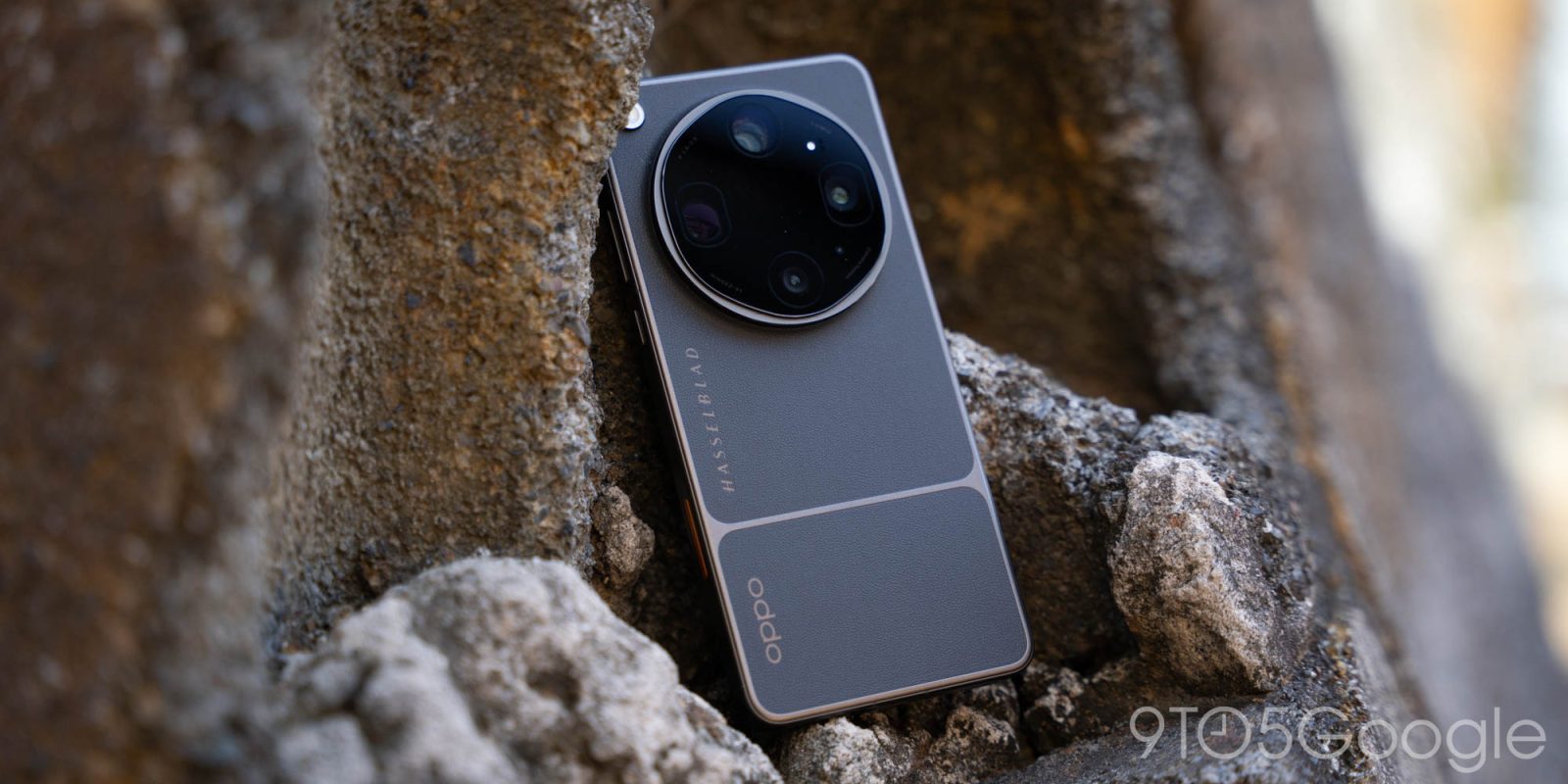
The Oppo Find X9 Ultra features a quad-camera system co-engineered with Hasselblad, delivering exceptional color science and dynamic range. The primary sensor is a massive 1-inch type, letting in more light than almost any competitor. This results in stunning low-light performance with minimal noise, and natural bokeh without portrait mode trickery. The periscope telephoto lens offers 5x optical zoom and up to 100x digital zoom, with excellent stabilization that keeps distant subjects sharp. What really sets it apart is the computational photography—the phone intelligently merges multiple frames to extract detail and preserve highlights, often outperforming even dedicated cameras. I found myself taking photos in situations where I'd normally give up, and the results were consistently impressive.
How Does It Compare to the Google Pixel's Camera?
Google's Pixel has long been the gold standard for computational photography, but the Oppo Find X9 Ultra challenges that crown. In daylight, both produce vibrant, true-to-life images, but Oppo's HDR processing is more aggressive yet natural, avoiding the washed-out look some Pixels occasionally produce. At night, the Find X9 Ultra's larger sensor gives it a clear advantage—photos are brighter and have less noise, while still keeping accurate colors. The telephoto capabilities are another win: Oppo's 5x optical zoom far exceeds the Pixel's usual 2x or 3x, making distant subjects—like wildlife or concert stages—crisper. However, the Pixel still leads in computational portrait modes and Google's Magic Eraser tools. For everyday snapshots, the Oppo is more versatile, but the Pixel remains slightly more consistent in automatic modes.
What Are the Biggest Drawbacks of the Oppo Find X9 Ultra?
Despite its camera prowess, the Oppo Find X9 Ultra isn't perfect. The software experience is a mixed bag: ColorOS is feature-rich but can feel cluttered compared to stock Android on Pixels. Battery life is average—the 5,000mAh cell lasts a full day with moderate use, but heavy camera use drains it quickly. The phone is also quite heavy and bulky due to the large camera module, making one-handed use awkward. Another downside is the video recording: while 4K at 60fps is excellent, stabilization is not quite on par with the iPhone or Pixel, especially in active scenes. Finally, software update commitment is shorter than Google's—only two major Android updates are guaranteed, which may concern long-term users. These flaws don't ruin the experience, but they're worth considering before switching.
Why Would Someone Want to Switch from a Pixel to This Phone?
The primary reason is the photographic versatility. If you frequently shoot in low light, need optical zoom, or want natural bokeh without relying on portrait mode, the Oppo Find X9 Ultra excels. The Hasselblad color tuning produces images with a distinctive, professional look that many photography enthusiasts will appreciate. Additionally, the charging speed is phenomenal—80W wired charging gets you from zero to 100% in about 35 minutes, far outpacing the Pixel's slower charging. The display is also superior: a 6.8-inch 120Hz AMOLED with 1440p resolution and 2,500 nits peak brightness, making outdoor visibility excellent. For users who prioritize camera capabilities and overall hardware performance over pure software polish, the switch makes perfect sense.

How Is the Overall Performance and Build Quality?
The Oppo Find X9 Ultra is a flagship through and through. Powered by the Qualcomm Snapdragon 8 Gen 3 processor and 16GB of RAM, it handles everything from intensive gaming to multitasking without stutter. The build is premium—a glass-and-aluminum sandwich with IP68 water resistance. The vegan leather back option adds grip and a luxury feel. Audio from the stereo speakers is loud and clear, though bass is slightly lacking. The in-display fingerprint sensor is fast and reliable. One area where Oppo lags is in software update speed; Android updates arrive months after Google's own devices. Still, for day-to-day performance, this phone matches or exceeds the best from Samsung and Apple.
Is the Oppo Find X9 Ultra Worth Buying Over the Pixel?
That depends on your priorities. If camera versatility and cutting-edge hardware are your top concerns, the Oppo Find X9 Ultra is arguably the better choice—especially for low-light and zoom photography. Its rapid charging and brilliant display are significant bonuses. However, if you value consistent software, timely updates, and a simpler user experience, the Pixel remains a strong contender. The Oppo also lacks some Google-exclusive features like Call Screen and seamless integration with Google services. For me, the camera is so transformative that I'm willing to accept the trade-offs. If you can live with the software quirks and shorter update cycle, the Find X9 Ultra is an outstanding device that truly pushes smartphone photography forward.