How Volkswagen Is Reinventing the Hot Hatch: The Electric GTI Clubsport Guide
Overview
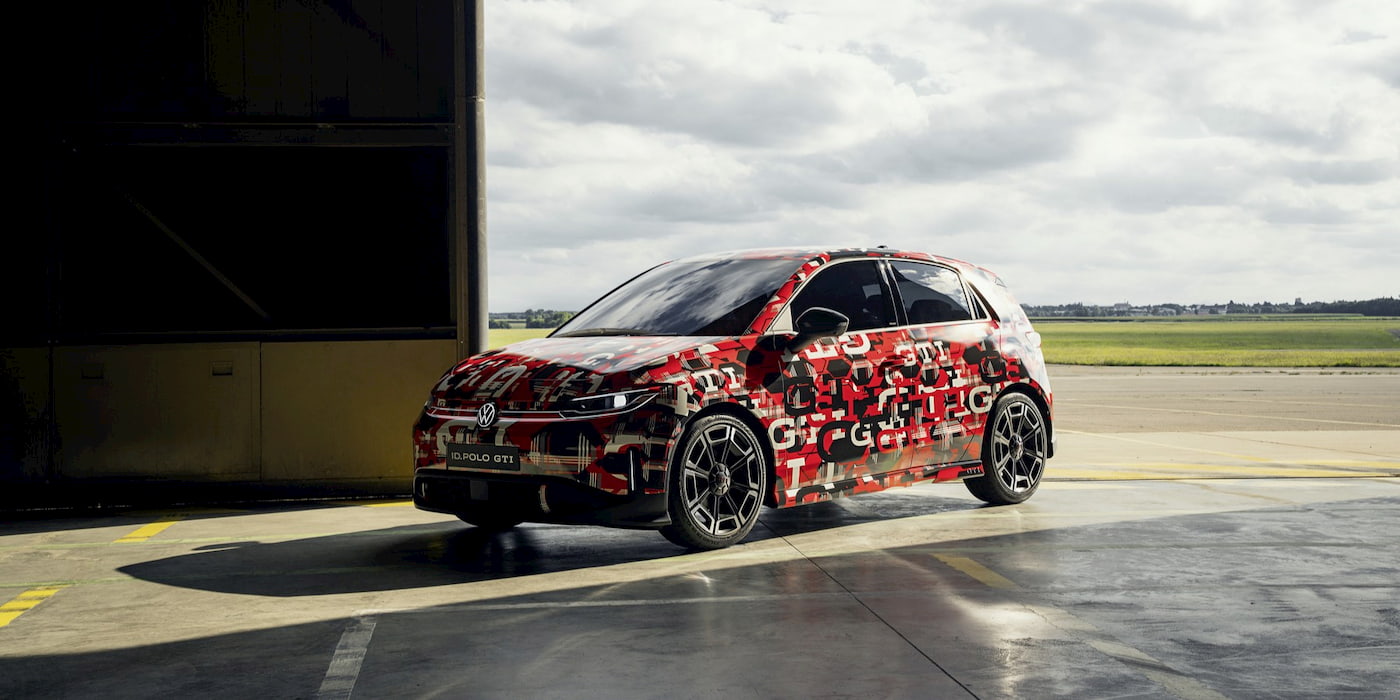
After five decades of gasoline-powered performance, Volkswagen is taking its iconic hot hatch into the electric era. The first-ever electric GTI is set to launch this year, and the automaker is already working on a Clubsport version that will borrow a clever feature from Hyundai. This guide explains everything enthusiasts need to know about the upcoming electric GTI Clubsport, from its historical context to the specific technology it’s adopting from its Korean rival. Whether you’re a long-time GTI fan or new to electric performance cars, this tutorial will help you understand what makes this model a groundbreaking step forward.
Prerequisites
Before diving in, you should be familiar with:
- Volkswagen GTI heritage – the original hot hatch launched in 1976 and set the standard for front-wheel-drive performance.
- Hyundai N division – Hyundai’s high-performance sub-brand, known for innovative features in models like the Ioniq 5 N.
- Electric vehicle (EV) basics – understanding of electric motors, battery packs, and regenerative braking.
- Clubsport badge – Volkswagen’s track-focused variant, usually more aggressive than standard GTI models.
No technical expertise is required – the guide uses accessible language with occasional technical details for clarity.
Step-by-Step Guide to Understanding the Electric GTI Clubsport
Step 1: Appreciate the Legacy of the GTI
Volkswagen introduced the Golf GTI in 1976, creating the hot hatch segment. For nearly 50 years, the GTI has been synonymous with fun, affordable performance. The transition to electric marks a major departure, but Volkswagen aims to preserve the driving character that made the GTI legendary. The Clubsport trim, introduced with the Golf 7 generation, adds sharper handling, more power, and distinctive styling.
Step 2: Understand the Electric GTI Platform
The electric GTI will be based on Volkswagen’s MEB platform, already used in the ID.4 and ID.3. However, this version will receive a performance-focused tune, including a dual-motor all-wheel-drive setup likely. While official specs are under wraps, expect at least 300 horsepower and a 0-60 time under 5 seconds. The battery will likely be around 80 kWh for a balance of range and weight.
Step 3: Identify the Hyundai Feature Being Borrowed
Volkswagen is borrowing a feature from Hyundai’s Ioniq 5 N: a virtual gearshift and engine sound system. Hyundai’s N e-shift simulates an eight-speed dual-clutch transmission with artificial shift points and motor torque interruptions. This creates a visceral, engaging experience that mimics a traditional hot hatch. Volkswagen’s Clubsport version will likely incorporate a similar system, possibly called “GTI e-Sound” or “Clubsport Virtual Drive.” This addresses a common criticism of EVs – that they feel too smooth and quiet.
Step 4: Explore the Clubsport-Specific Upgrades
The Clubsport treatment typically includes:
- Revised suspension with adaptive dampers and lower ride height.
- Upgraded brakes with larger discs and red calipers.
- Aerodynamic enhancements like a rear diffuser, side skirts, and a prominent spoiler.
- Lightweight materials such as forged wheels and carbon-fiber trim.
- Unique interior with sport seats, Alcantara steering wheel, and Clubsport badging.
For the electric version, expect additional battery cooling for sustained track performance and a dedicated driving mode for the virtual gearshift feature.
Step 5: Compare with Hyundai Ioniq 5 N
To understand the borrowed feature, look at the Ioniq 5 N. It uses an 800-volt architecture, dual motors (320 hp rear, 240 hp front) for a combined 601 hp, and N e-shift with simulated rev-matching. The system can be turned off for normal EV driving. Volkswagen’s version will likely be less extreme, with power around 400-450 hp, but the emotional engagement will be similar. This crossover highlights a trend: automakers realizing that pure performance isn’t enough – they need to recreate the ritual of shifting gears.

Step 6: Anticipate Release Timeline and Pricing
Volkswagen has confirmed the standard electric GTI will debut in late 2025. The Clubsport version will follow about 12-18 months later, likely in 2026 or early 2027. Pricing will be premium: expect a starting MSRP around $55,000 in the US, up to $65,000 for fully loaded Clubsport models. This positions it against the Hyundai Ioniq 5 N ($66,000) and the upcoming electric Ford Focus RS (rumored).
Common Mistakes
Mistake 1: Assuming the Clubsport Is Just a Styling Package
Many think Clubsport is only cosmetic. In fact, it includes hardware upgrades: stiffer springs, adjustable dampers, lighter wheels, and performance tires. For the EV, these changes are critical to handling the extra weight of the battery.
Mistake 2: Overestimating Range
Performance EVs typically sacrifice range for power. The standard electric GTI might offer 300 miles; the Clubsport likely will drop to 250 miles due to aggressive driving and cooling demands. Don’t expect long road-trip capability without frequent charging stops.
Mistake 3: Thinking the Virtual Gearshift Is a Gimmick
Some purists dismiss fake engine sounds and simulated shifts as unnecessary. However, studies show they increase driver engagement and reduce the “disconnect” many feel in EVs. Volkswagen’s implementation is designed to be adjustable – you can turn it off for silent cruising.
Mistake 4: Ignoring the Importance of Over-the-Air Updates
Like most modern EVs, the Clubsport will receive software updates. The virtual gearshift feature might evolve over time with more sound profiles or shift patterns. Buyers should ensure their car stays connected to the cloud to enjoy future improvements.
Summary
Volkswagen is preparing an electric GTI Clubsport that blends 50 years of hot hatch heritage with cutting-edge EV technology. The key innovation is borrowing Hyundai’s virtual gearshift and engine sound system to create a thrilling driving experience. By following this guide, you now understand the legacy, the platform, the specific borrowed feature, Clubsport upgrades, and common pitfalls. The electric GTI Clubsport promises to be a milestone vehicle that proves electric cars can be just as emotional and engaging as their gasoline predecessors.