Mediating High-Stakes Labor Disputes: A Practical Guide from Samsung's Chip Factory Crisis
Overview
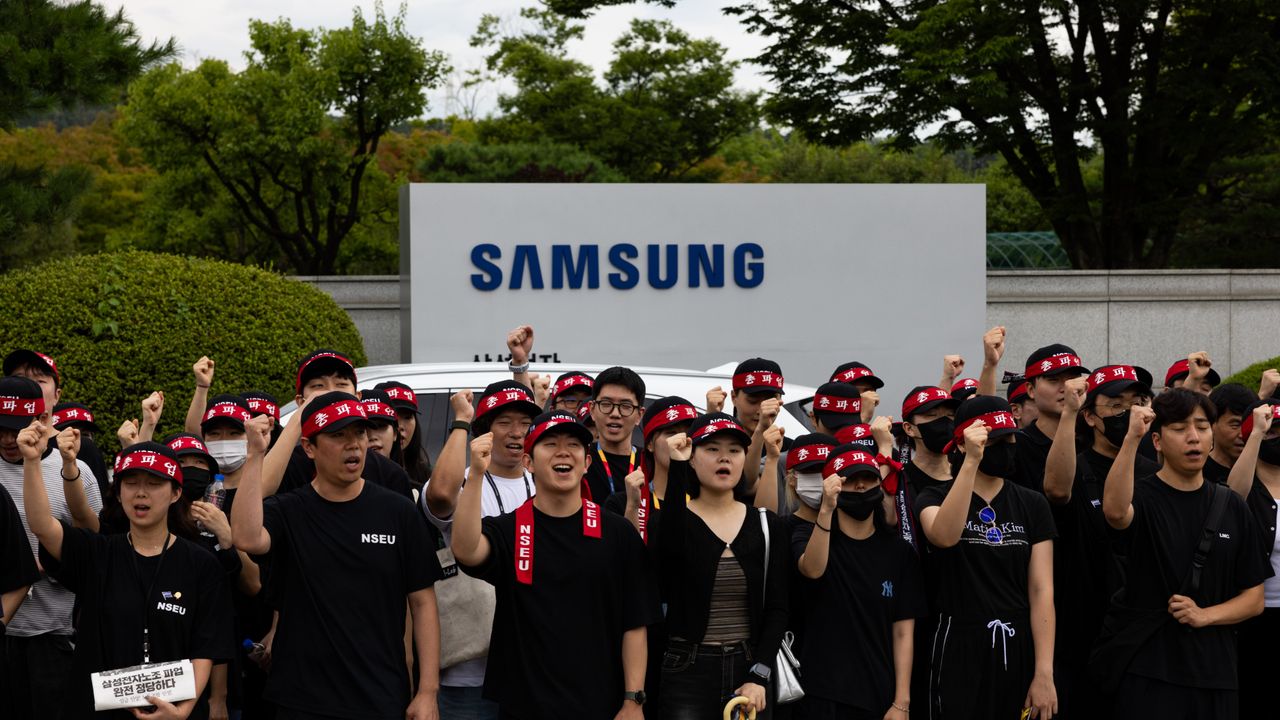
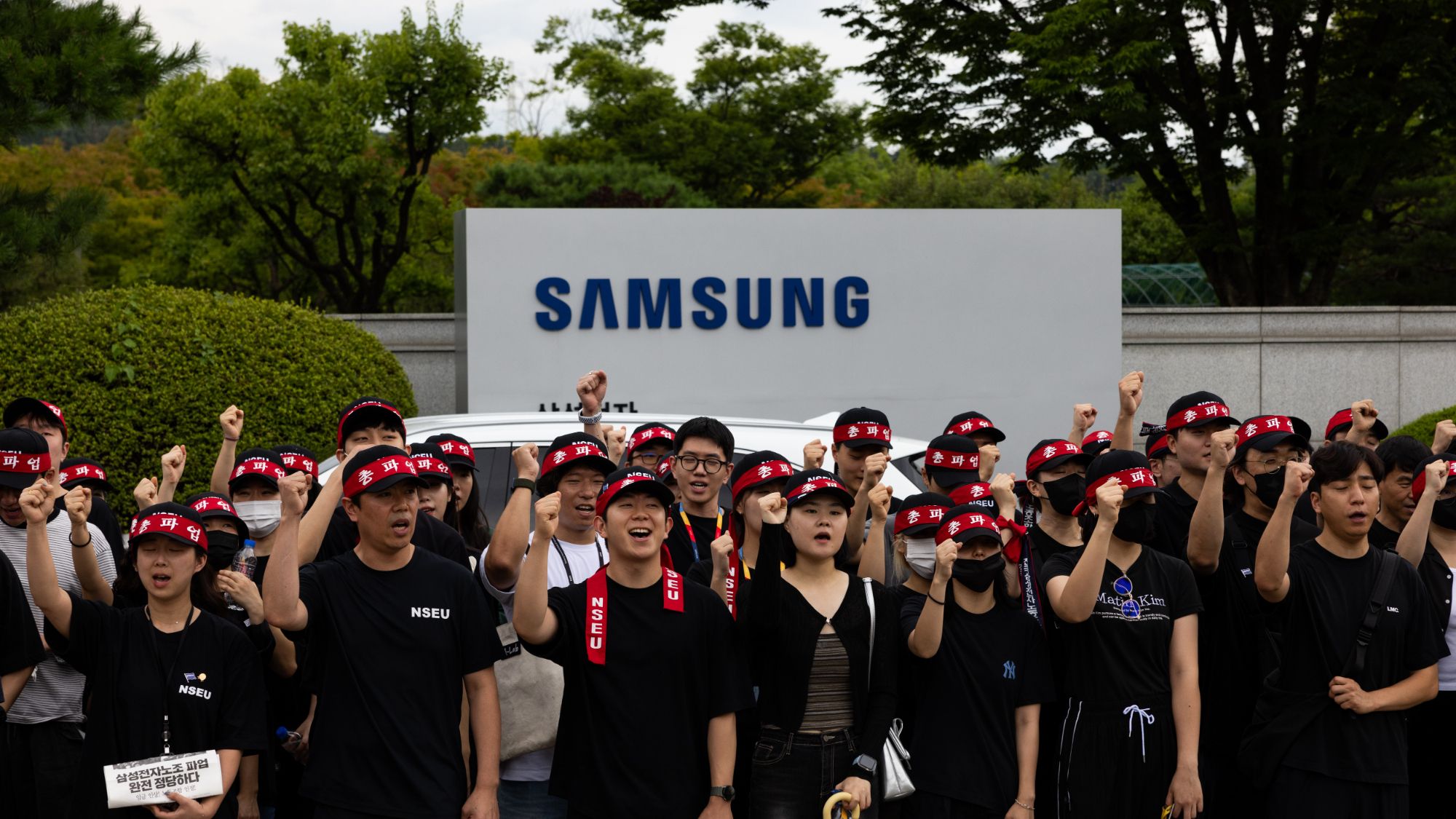
In the high-stakes world of semiconductor manufacturing, labor disputes can cripple production and cost billions. Samsung’s recent 18-day strike threat at its chip factories—with potential losses of $20 billion—highlights the critical need for effective mediation. This guide uses the Samsung case as a real-world example to walk you through the process of government-mediated labor negotiations, from initial breakdown to final talks. You'll learn the prerequisites, step-by-step procedures, and common pitfalls to avoid, whether you're an HR professional, union leader, or factory manager.
Prerequisites
Before diving into mediation, ensure you have:
- Understanding of labor laws – Know the legal framework (e.g., South Korea's Labor Relations Commission role).
- Clear objectives – Define both sides' core demands and walkaway points.
- Data on impact – Quantify potential losses (e.g., $20B in this case).
- Neutral facilitator – A government or third-party mediator (like South Korea's National Labor Relations Commission).
- Timeline and urgency – Recognize when time pressure (e.g., 18-day strike window) requires rapid intervention.
Step-by-Step Instructions
1. Recognize the Crisis Point
When prior mediation rounds collapse (as Samsung's February and March talks did), the dispute escalates. Monitor for signs: union strike votes, production warnings, and public statements. The trigger for government-mediated summits is usually the threat of massive economic damage.
2. Engage the Mediation Body
Contact the appropriate agency—Samsung used South Korea's National Labor Relations Commission (NLRC). Request a formal mediation session. Provide background: failed earlier rounds, key issues (wages, working hours, HBM production risk), and urgency.
3. Prepare Negotiation Materials
- Company side: Draft financial projections of strike costs (e.g., $20B), production contingency plans, and flexibility on demands.
- Union side: List non-negotiable items (e.g., wage increases, shift changes) and acceptable compromises.
- Both: Agree on ground rules (confidentiality, no media leaks, time limits).
4. Conduct the Mediation Session
The NLRC typically brings both parties into a neutral room. Follow this agenda:
- Opening statements by each side (15 minutes each).
- Mediator summarizes core disagreements.
- Separate caucuses (mediator shuttles between rooms).
- Present proposals and counteroffers.
- Deadline-driven bargaining (e.g., must reach deal by day's end to avoid strike).
5. Seal the Agreement
Once terms are tentatively agreed, document in writing. Include: effective dates, wage adjustments, shift changes, and no-strike clause. Have both leaders sign, and announce jointly to avoid misunderstandings. Monitor compliance post-mediation.
Common Mistakes
- Ignoring earlier failures – Samsung's collapsed February/March mediations show that without learning from prior breakdowns, talks recycle the same issues. Always analyze past failures.
- Underestimating economic impact – The $20B figure isn't just a number; it's leverage. Not quantifying it weakens your position.
- Leaking to media – Public pressure can backfire. Keep talks confidential until agreement.
- No fallback plan – If mediation fails again, what next? Arbitration? Always have a Plan B (e.g., cooling-off period).
- Ignoring production specifics – In chip fabs, HBM (high-bandwidth memory) lines are critical. Neglecting technical constraints (e.g., clean room access) leads to unworkable deals.
Summary
Successfully mediating a high-stakes factory strike hinges on recognizing crisis points early, engaging a competent body like the NLRC, preparing detailed data, and avoiding common traps like failed follow-up or leaky talks. Samsung's 18-day battle shows the fine line between disaster and resolution. Use this guide to navigate your own industrial disputes with confidence.