SpaceX’s Starship V3 Megarocket Set for Historic Launch Next Week: In-Orbit Self-Inspection a First
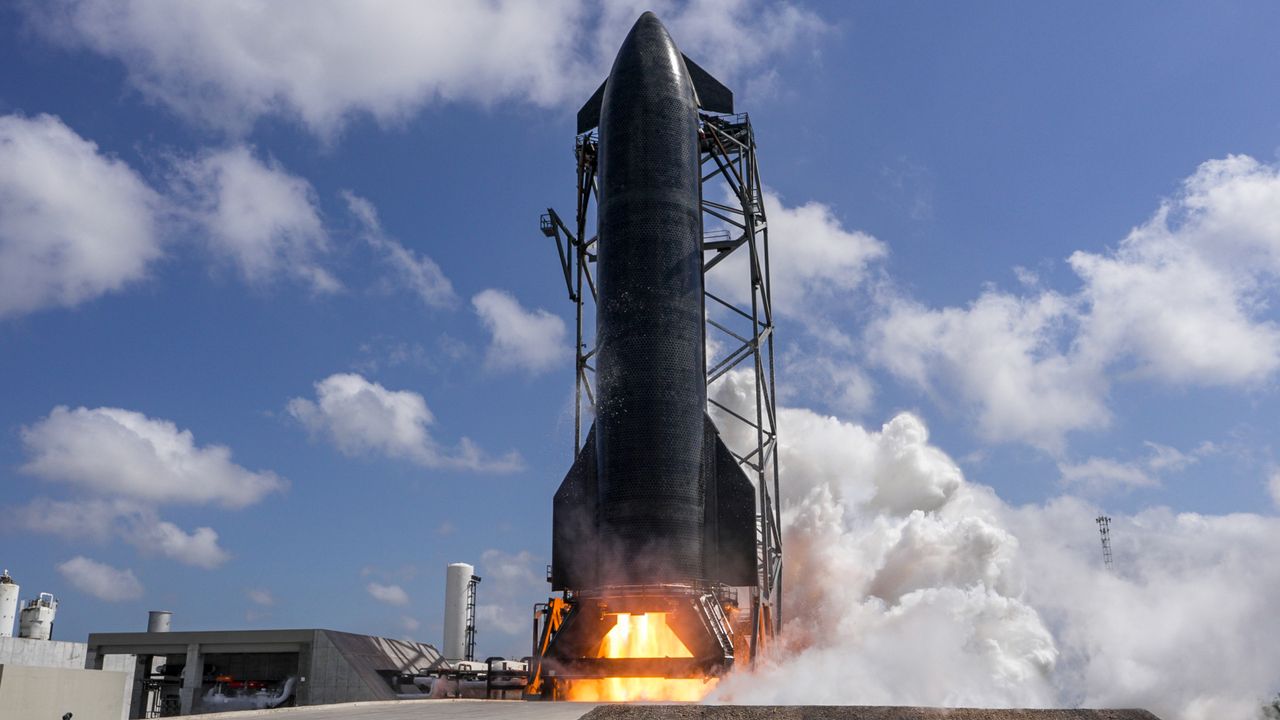
SpaceX’s advanced Starship V3 megarocket is poised for its debut launch next week, marking the first time a Starship vehicle will perform an in-space self-inspection—a novel capability that could reshape orbital operations.
“This self-inspection maneuver is a game-changer,” said Dr. Melissa Chen, a spaceflight analyst at the Center for Orbital Studies. “It allows SpaceX to assess vehicle integrity in real-time without requiring a return to Earth, dramatically accelerating development cycles.”
The upcoming Flight 12 will test the fully upgraded V3 design, which incorporates significant structural and propulsion improvements over its predecessors. The in-orbit inspection, using onboard cameras and sensors, is designed to evaluate heat shield condition, engine performance, and structural health.
Background: The Evolution of Starship
Starship V3 represents a major leap from the earlier V1 and V2 prototypes. The new variant features enhanced Raptor engines, a reinforced steel hull, and upgraded avionics for prolonged deep-space missions.
Previous Starship flights focused on ascent, stage separation, and controlled reentry. Flight 12 introduces a critical new phase: detailed orbital inspection to verify the vehicle’s ability to handle multiple missions without major refurbishment.
SpaceX has not released full technical details, but company sources indicate the self-inspection will scan over 200 critical points across the spacecraft. The data will be sent to ground teams for analysis.
What This Means for Spaceflight
The self-inspection capability is a direct step toward fully reusable, rapid-turnaround spacecraft. If successful, it could significantly reduce the time and cost needed to certify vehicles for repeated launches.
“This isn’t just a test; it’s a fundamental shift in how we certify spacecraft,” said aerospace engineer James Kowalski. “Instead of bringing a rocket back to the hangar and taking it apart, you can diagnose its health while still in orbit.”
The data from Flight 12 will inform future Starship variants destined for lunar and Martian missions. NASA has already selected Starship as the lander for its Artemis program, making vehicle reliability a top priority.
Key Points of the Upcoming Mission
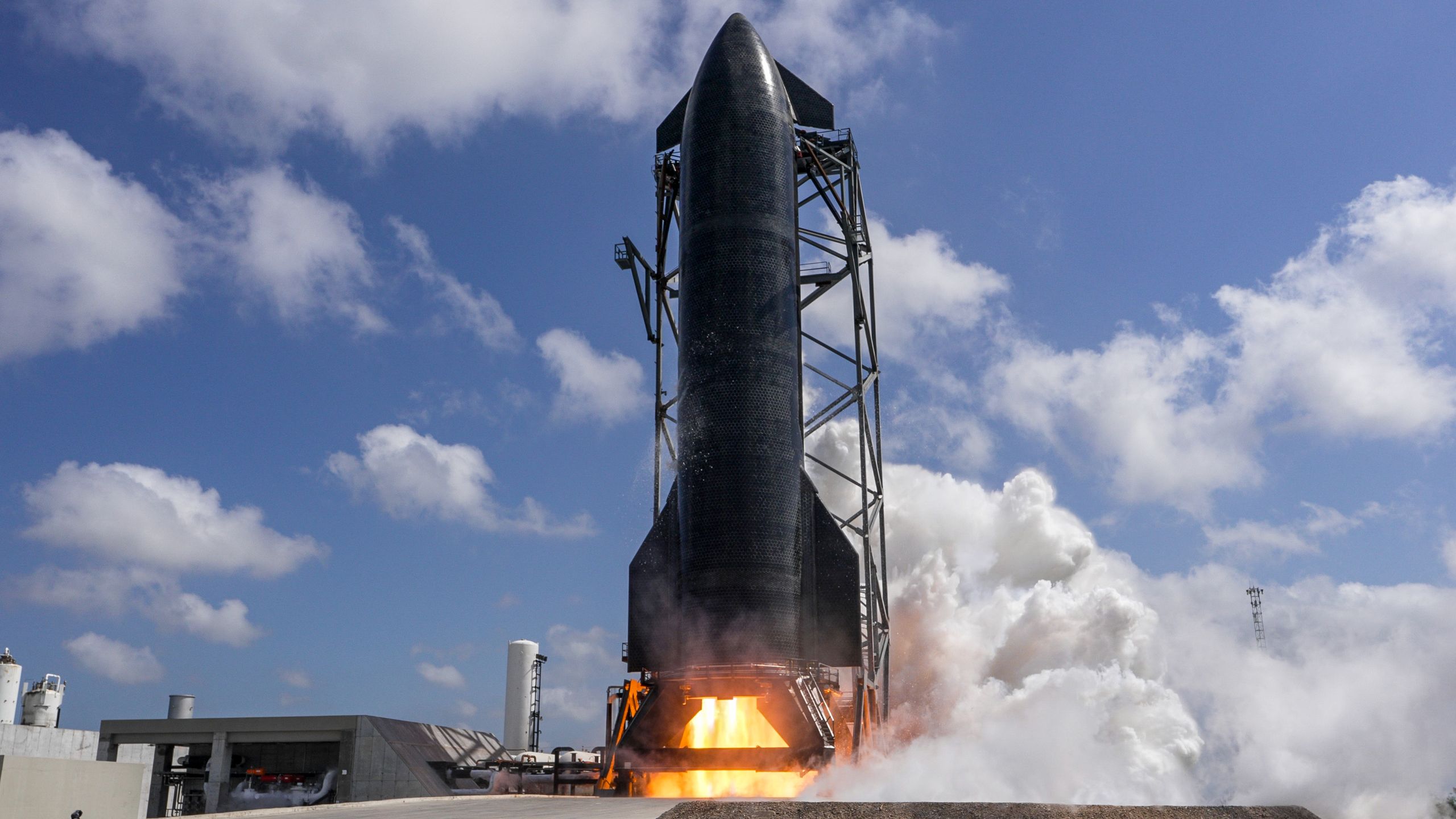
- First flight of Starship V3, incorporating over 100 design modifications from V2.
- In-orbit self-inspection using a combination of visible-light cameras, infrared sensors, and accelerometers.
- Focused on heat shield tiles, engine nozzles, and aerodynamic surfaces—areas most prone to damage during launch and reentry.
- Mission duration expected to be approximately 90 minutes, with a controlled splashdown in the Pacific Ocean.
SpaceX has not yet confirmed the exact launch date, but sources familiar with the schedule say it could occur as early as next Wednesday. The Federal Aviation Administration has issued a temporary flight restriction for the area around SpaceX’s Boca Chica, Texas facility, indicating heightened activity.
What’s Next After Flight 12
Depending on the outcome, SpaceX may move forward with an orbital refueling demonstration later this year—a key requirement for lunar missions. The self-inspection data will also help engineers refine the V3 design for production.
The aerospace industry will be watching closely. As Dr. Chen noted, “If this works, it changes the economics of space access. Suddenly, you can inspect and even repair spacecraft in orbit without docking.”
For now, all eyes are on Texas as SpaceX prepares to write another chapter in reusable rocketry—this time, with a rocket that can examine its own health far from Earth.