7 Reasons Why Sony's AI Camera Assistant Is a Step Backwards
When Sony unveiled the Xperia 1 VIII with its new "AI Camera Assistant," it promised smarter photo enhancements. Yet early reactions have been overwhelmingly negative—users and reviewers alike are calling it the worst camera trend yet. Instead of elevating smartphone photography, this feature seems to drag it down into a mire of over-processing and unnatural results. Here are seven key reasons why Sony’s AI experiment is missing the mark.
1. Over-Processing Ruins Natural Beauty
The primary complaint about Sony's AI Camera Assistant is its heavy-handed processing. Images that once captured a scene’s authentic colors and textures now look artificial. Skies become unnaturally blue, skin tones shift toward plastic, and fine details like hair or foliage blur into mush. It’s a classic example of an algorithm trying too hard to "improve" a photo, but instead stripping away the very qualities that make a photograph feel real. For a company known for its camera sensors used by professionals, this regression is shocking.
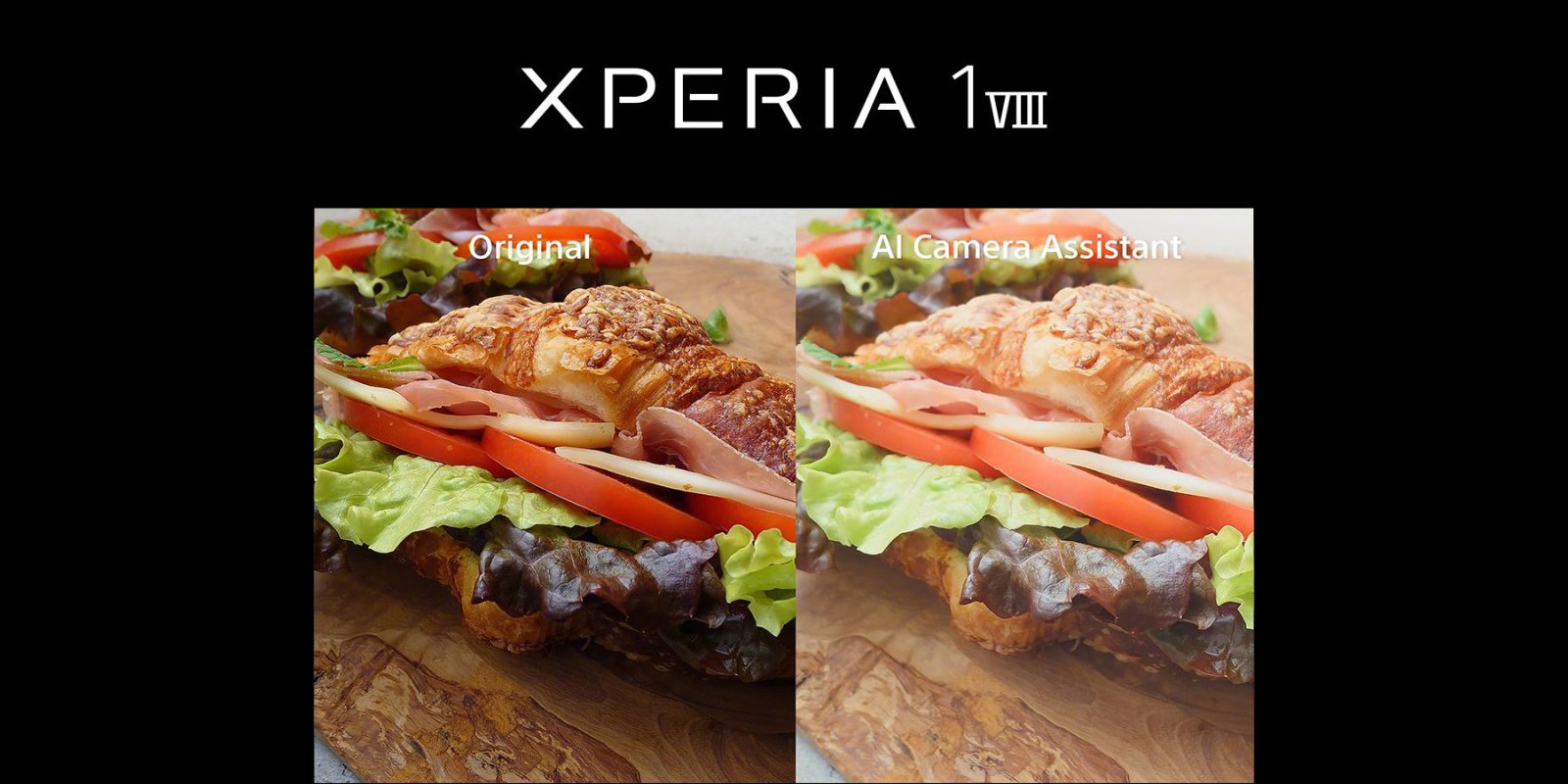
2. It Echoes the Worst Smartphone Camera Trends
Over the past few years, we’ve seen a disturbing pattern: smartphone cameras that sacrifice realism for punchy, shareable images. Sony’s AI Assistant doubles down on this by applying aggressive sharpening, saturation boosts, and HDR halos—similar to the notorious "beauty mode" effects that plagued earlier Android phones. Where other manufacturers have started dialing back these gimmicks, Sony is embracing them, ignoring the growing demand for more natural camera output.
3. Sony’s Camera Heritage Makes This Especially Disappointing
Sony’s Alpha series and professional cinema cameras are revered for their color science and dynamic range. The Xperia line has long been the phone for photographers and videographers who want manual controls and accurate image rendering. The AI Camera Assistant betrays that legacy. It feels like an admission that Sony doesn’t trust its own hardware or its users’ skills. Instead of offering subtle, optional AI assistance, it applies a one-size-fits-all filter that erases the character of each shot.
4. Community Backlash Speaks Volumes
Forums, social media, and tech blogs have erupted with criticism since the Xperia 1 VIII was announced. Users are sharing side-by-side comparisons—unedited versus AI-corrected—and the difference is stark. Many are calling the feature unusable and are begging Sony to provide a toggle to disable it entirely. The fact that a major brand faces such strong negative feedback before the product even reaches most hands suggests the feature wasn’t ready for prime time.
5. Technical Flaws: Unrealistic Colors and Lost Details
Diving deeper into the technical shortcomings, the AI often misinterprets scenes. Low-light shots gain unnatural blue tints; sunsets become oversaturated neon displays. Worse, the algorithm frequently smears fine textures like tree bark or fabric weaves, creating a painterly effect that degrades image quality. In an era where computational photography should enhance without destroying detail, Sony’s implementation seems to have missed the memo.

6. Lack of User Control Frustrates Enthusiasts
One of the most infuriating aspects is that the AI Camera Assistant cannot be turned off. Sony’s decision to force this processing on every shot taken in auto mode means that even experienced photographers who rely on the Xperia’s manual controls find their casual snapshots ruined. An AI assistant should be a helpful tool, not a mandatory filter. The absence of an off-switch or adjustable intensity levels shows a disconnect between Sony’s engineering and its user base.
7. It Undermines Photography Skills
Finally, this feature sends the wrong message about photography: that an algorithm can replace human judgment. Real photography is about art, composition, and understanding light. Sony’s AI Camera Assistant robs users of the ability to learn from their mistakes or develop an eye for good exposure and color. By glossing over imperfections with artificial polish, it produces soulless images that all look the same.
In conclusion, Sony’s AI Camera Assistant is a well-intentioned idea that went off the rails. It over-processes, echoes the worst trends, betrays Sony’s proud camera legacy, angers the community, suffers from technical flaws, removes user control, and devalues the art of photography. If Sony wants the Xperia 1 VIII to succeed, it should listen to the backlash and either refine the algorithm or – better yet – let users decide when and how much AI to apply. Until then, this feature remains a cautionary tale in the smartphone camera race.