OpenAI's ChatGPT Banking Integration: Convenience Versus Privacy Risks
In the race to make artificial intelligence more useful in everyday life, OpenAI has introduced a feature that lets ChatGPT connect directly to your bank accounts. Using the secure financial data platform Plaid, the AI can now access transaction histories, balances, and more. While this might sound like a dream for budget tracking and financial planning, it also opens a Pandora's box of privacy concerns. Here's a closer look at what the feature does, the trade-offs involved, and how you can protect yourself.
How the Banking Feature Works
The integration relies on Plaid, a well-known third-party service that acts as a bridge between your bank and ChatGPT. When you opt in, Plaid securely authenticates your bank credentials (without ChatGPT ever seeing your username or password) and then shares read-only access to your financial data with the AI. This means ChatGPT can pull up your recent spending, categorize transactions, and even answer questions like, "How much did I spend on coffee last month?"
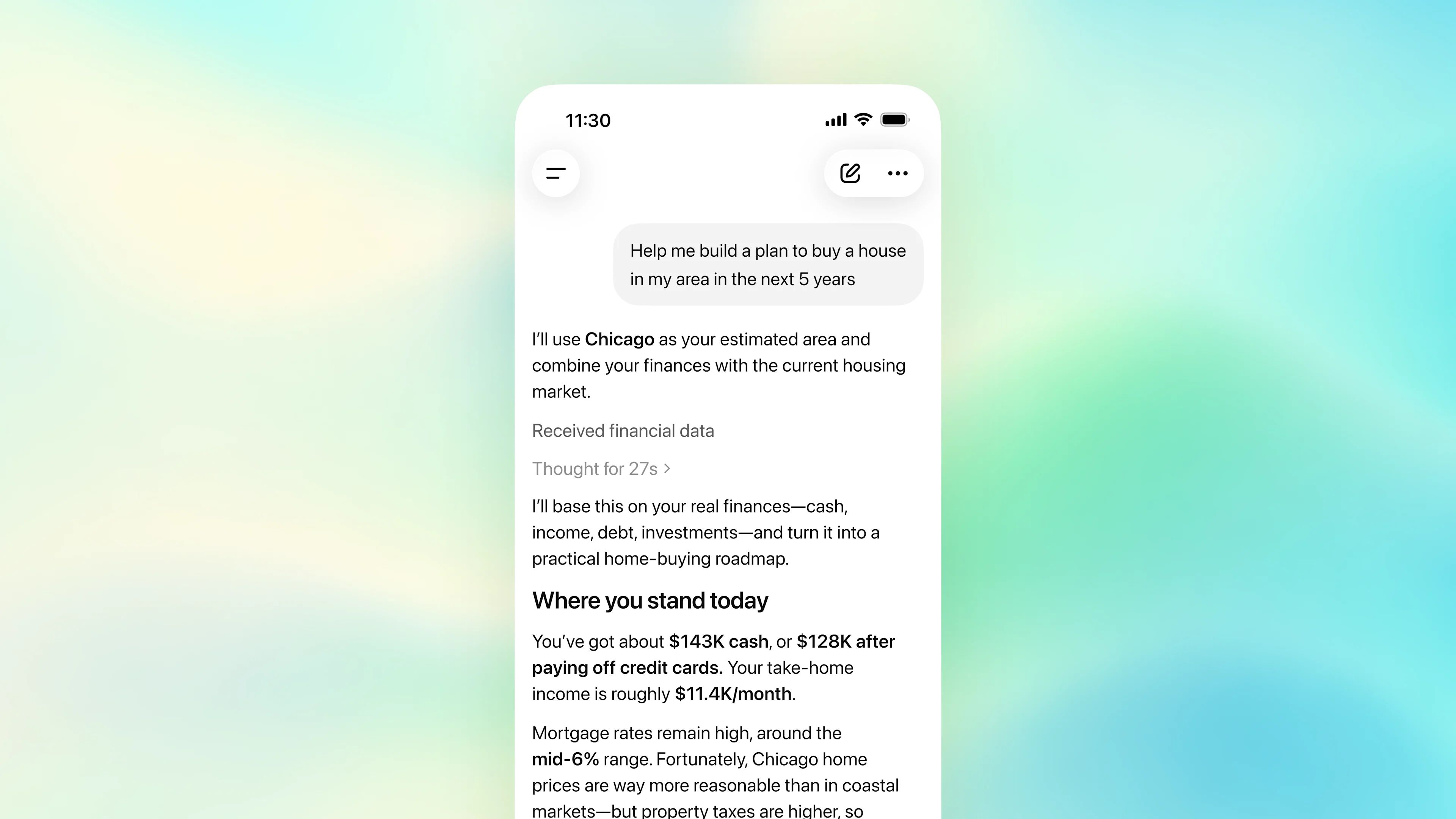
The process is designed to be seamless: you select your bank from a list, log in via Plaid's interface, and grant permission. Once linked, ChatGPT can reference your financial records during conversations. Importantly, OpenAI states that data is encrypted both in transit and at rest, and that Plaid adheres to strict security standards (including bank-level encryption and regular audits).
The Privacy Trade-Off
Despite the technical safeguards, allowing an AI chatbot access to your financial life carries inherent risks. The most pressing concern is what happens to your data once it's inside OpenAI's ecosystem. While the company says it won't use the information to train its models without explicit consent, its privacy policy has room for interpretation—and past controversies over data handling fuel skepticism.
What Data Does Plaid Share?
Plaid transmits a range of information depending on the bank and the permissions you grant. This can include account balances, transaction history, account holder names, and even routing numbers. While Plaid itself does not sell your data, it can share anonymized or aggregated information with partners. For ChatGPT, the data is used only to generate responses to your queries, but it remains stored on OpenAI's servers for as long as your account is active.
Risks of Granting AI Financial Access
Even with read-only access, the potential for misuse exists. If a malicious actor gains control of your ChatGPT account, they could extract a detailed picture of your financial habits. Additionally, errors in the AI's interpretation of data could lead to poor financial advice. For example, if ChatGPT mislabels a transaction, it might suggest cuts to the wrong budget category. There's also the broader concern that aggregated financial data from millions of users could become a high-value target for hackers.
Potential Benefits for Users
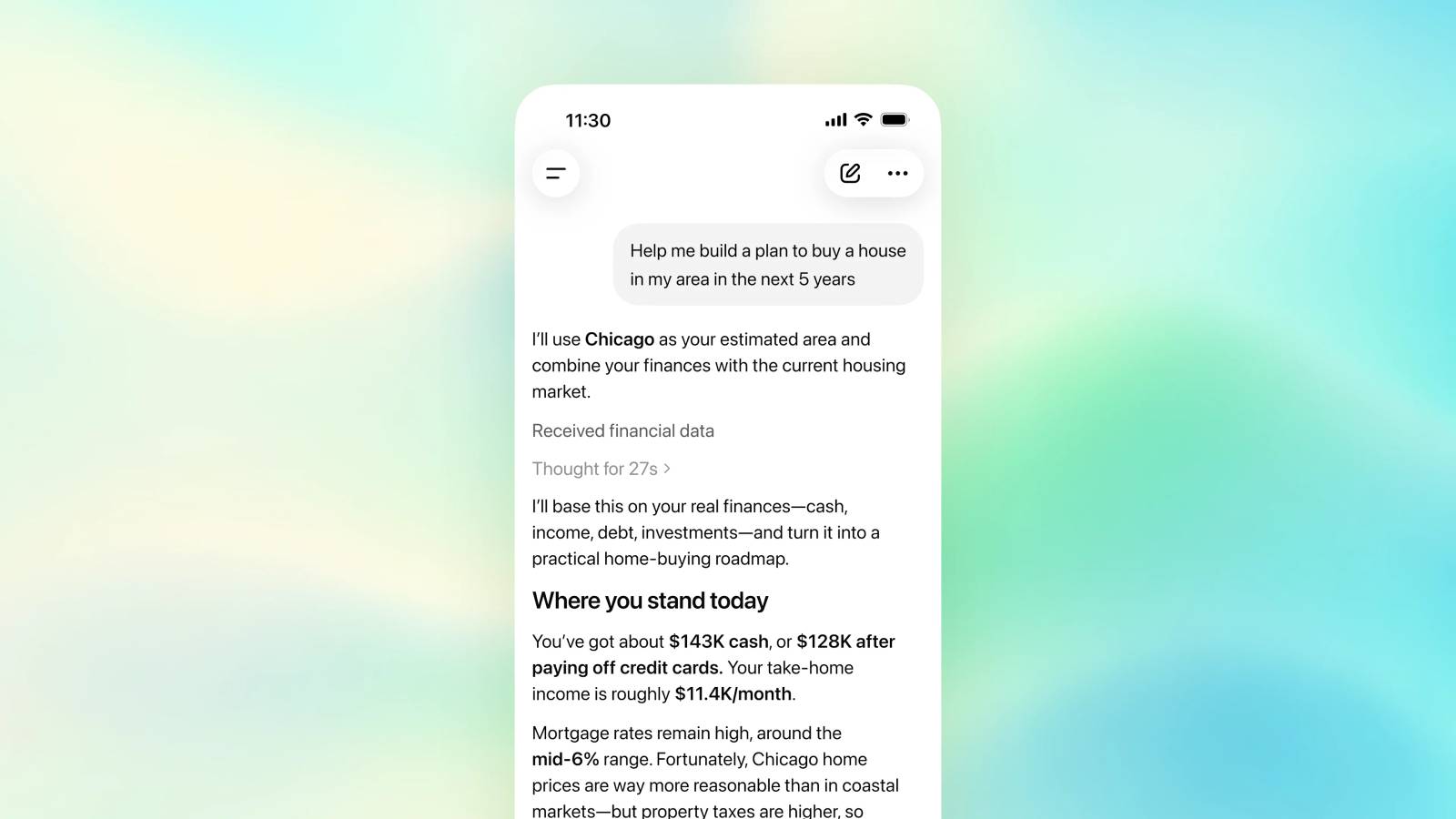
Of course, the feature isn't all gloom. When used responsibly, it can streamline personal finance management. Imagine asking ChatGPT to create a monthly budget based on your actual spending, or to alert you if your checking account drops below a certain threshold. The AI can also help with tax preparation by categorizing deductible expenses, or even simulate financial scenarios like "What if I increase my savings by 10%?"
For small business owners, the integration could save hours of manual bookkeeping by auto-generating expense reports. And because Plaid is already used by apps like Venmo and Robinhood, many people are already comfortable with its security.
How to Protect Your Financial Privacy
If you're intrigued but cautious, there are steps you can take:
- Review permissions carefully – Plaid gives you granular control over which accounts to link and what data to share. Only grant access to the accounts you truly need the AI to see.
- Use a separate read-only token – Some banks allow you to create a limited token that prevents ChatGPT from making changes (though it already only has read access, this adds an extra layer).
- Monitor your ChatGPT activity – Regularly check the conversation history for any unexpected queries or data exports.
- Revoke access when not in use – You can unlink your bank accounts from ChatGPT's settings at any time, removing stored data.
- Enable multi-factor authentication (MFA) – Protect your OpenAI account with MFA to reduce the risk of unauthorized access.
Ultimately, the choice comes down to your personal risk tolerance. For some, the convenience of AI-assisted finance is worth the privacy cost. For others, the trade-off is simply too steep. As OpenAI rolls out this feature to more users, staying informed and proactive will be your best defense.