7 Key Insights Into Elon Musk’s Expanded Antitrust Battle: Craig Federighi Joins the Fight
Elon Musk’s xAI has escalated its antitrust lawsuit against Apple and OpenAI by adding Apple’s senior software chief, Craig Federighi, as a document custodian. This move, while sparing CEO Tim Cook, signals a deeper probe into how the two tech giants allegedly collude to restrict competition in artificial intelligence. Here’s a breakdown of the seven most critical things you need to know about this legal twist.
1. What Is a Document Custodian in a Lawsuit?
In litigation, a document custodian is the person within an organization responsible for locating, preserving, and producing relevant electronic records and physical documents during discovery. It’s not an accusation of wrongdoing; rather, it makes that individual the point person for responding to subpoenas and evidence requests. By naming Federighi, xAI is forcing Apple to hand over internal communications—such as emails, meeting notes, and memos—related to its partnership with OpenAI. This role is crucial because without a designated custodian, companies can drag their feet on compliance. For the court, designating a high-level executive like Federighi ensures that the discovery process moves swiftly and that documents are not buried under layers of bureaucracy.
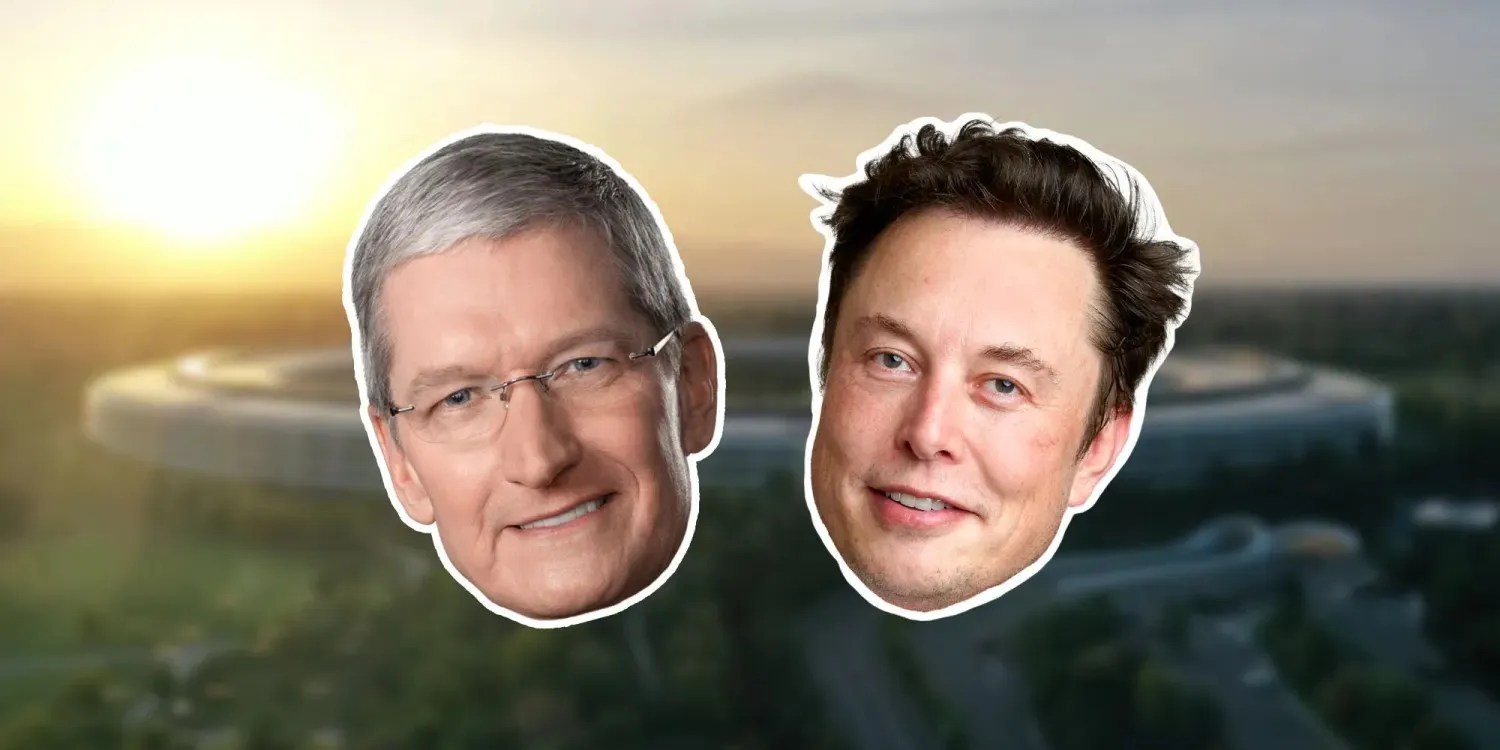
2. Why Craig Federighi, Not Tim Cook?
Elon Musk specifically targeted Craig Federighi, Apple’s Senior Vice President of Software Engineering, while sparing CEO Tim Cook. Why? Federighi oversees the teams that integrate third-party AI services into Apple’s operating systems, including the rumored integration of OpenAI’s ChatGPT into Siri and iOS. His purview includes the technical and contractual decisions that xAI claims violate antitrust law. Cook, in contrast, focuses on broader corporate strategy and public relations. By focusing on Federighi, xAI aims to obtain granular technical correspondence rather than high-level policy documents, which are more likely to reveal alleged collusion. Legal experts say this is a strategic move: a CEO might not have ready access to the nitty-gritty details of API deals and software release schedules, whereas Federighi lives and breathes them.
3. The Core Allegations of the Lawsuit
At the heart of the lawsuit is the claim that Apple and OpenAI formed an unlawful exclusive dealing arrangement to shut out competitors like xAI. Specifically, xAI alleges that Apple agreed to make OpenAI its default AI provider on iPhones, Macs, and iPads, while OpenAI granted Apple preferential access to its models—including performance and pricing advantages—in exchange for market dominance. This, xAI argues, stifles innovation and violates the Sherman Antitrust Act. The case also invokes the essential facilities doctrine, which says that when a company controls a resource competitors cannot practically duplicate (in this case, the App Store ecosystem that 1.5 billion users rely on), it must allow fair access. If proven, this could force Apple to open its platform to xAI and other rivals.
4. Federighi’s Document Discovery Will Uncover Key Evidence
As document custodian, Federighi will be responsible for producing emails, Slack messages, and meeting minutes from his team that predate and coincide with the Apple-OpenAI partnership announcement in June 2024. Of particular interest are communications about “anti-competitive terms” that might have excluded xAI from negotiations. For example, did Apple demand that OpenAI not license its models to competitors? Was there a “most-favored-nation” clause that gave OpenAI preference in App Store search results? Discovery could also reveal whether Apple used its control over APIs and hardware—like the Neural Engine—to degrade performance of non-OpenAI models. Federighi’s direct involvement in software architecture means his team would have designed any such technical barriers.
5. Impact on Apple’s and OpenAI’s Public Image
This legal escalation comes at a delicate time for both companies. Apple has marketed itself as a champion of user privacy and fair competition, while OpenAI has faced scrutiny over its closed-source approach. If discovery shows that the two companies conspired to block rivals, it could tarnish their reputations and invite further regulatory action from the European Commission or U.S. Department of Justice. Moreover, Musk has a history of airing grievances publicly, and he is likely to use any unfavorable documents to portray Apple as a monopolist. For consumers, the case raises questions about whether they are getting the best AI assistant or merely the one that pays Apple the most. If the lawsuit succeeds, it could pave the way for more open competition in the AI assistant market, benefiting startups and users alike.

6. The Legal and Financial Stakes
An antitrust loss for Apple and OpenAI could result in treble damages (triple the actual harm), injunctions forcing Apple to allow rival AI services equal access, and even a court-ordered breakup of the exclusivity agreement. For OpenAI, which relies heavily on distribution through Apple’s ecosystem, losing default status could mean a severe blow to user adoption. Meanwhile, xAI—despite being a smaller player—could gain serious leverage. The cost of discovery alone can run into the millions, and Apple may decide to settle rather than risk a trial that could expose internal strategies. Legal analysts estimate that Apple’s legal fees for this case could exceed $50 million if it goes to trial. For Musk, however, the goal may not be a monetary payoff but rather a restructuring of the AI industry to favor his own Grok chatbot.
7. What Happens Next: Timeline and Key Dates
The court has granted Musk’s motion to add Federighi, so the next step is a scheduling order for discovery. Typically, document production begins within 30–60 days, with depositions to follow. A preliminary hearing on the antitrust claims is expected in early Q3 2025. If evidence of collusion is found, the judge could issue a partial summary judgment, forcing Apple to make changes before the case even goes to trial. Both parties have already engaged in intense motions practice over the scope of discovery. Meanwhile, Apple and OpenAI may seek a protective order to shield trade secrets. Regardless, the outcome will be closely watched by every tech company that depends on the App Store for distribution—including Microsoft, Google, and Amazon. As one legal commentator put it: “This is the case that could define the next decade of AI competition.”
In summary, the addition of Craig Federighi as a document custodian is far more than a procedural step. It opens a window into the inner workings of the Apple-OpenAI partnership and could determine whether one of the most powerful corporate alliances in tech history is allowed to persist. For consumers, it’s a reminder that even the most seamless AI integration may come with hidden strings attached. As the case unfolds, expect revelations about backroom deals, technical exclusivity, and the lengths companies will go to keep their AI walled gardens secure.