New Study Reveals Serotonin May Amplify Tinnitus Symptoms
For years, tinnitus has puzzled both patients and doctors. This persistent ringing in the ears often strikes without clear cause. Now, a groundbreaking study in mice suggests that serotonin—the brain chemical targeted by many antidepressants—might actually make the condition worse. Researchers used advanced light-based techniques to trace a specific neural circuit that links serotonin to tinnitus-like behavior. This discovery could explain why some people on SSRIs report louder ringing. Below, we answer key questions about this surprising connection.
What exactly did scientists uncover about serotonin and tinnitus?
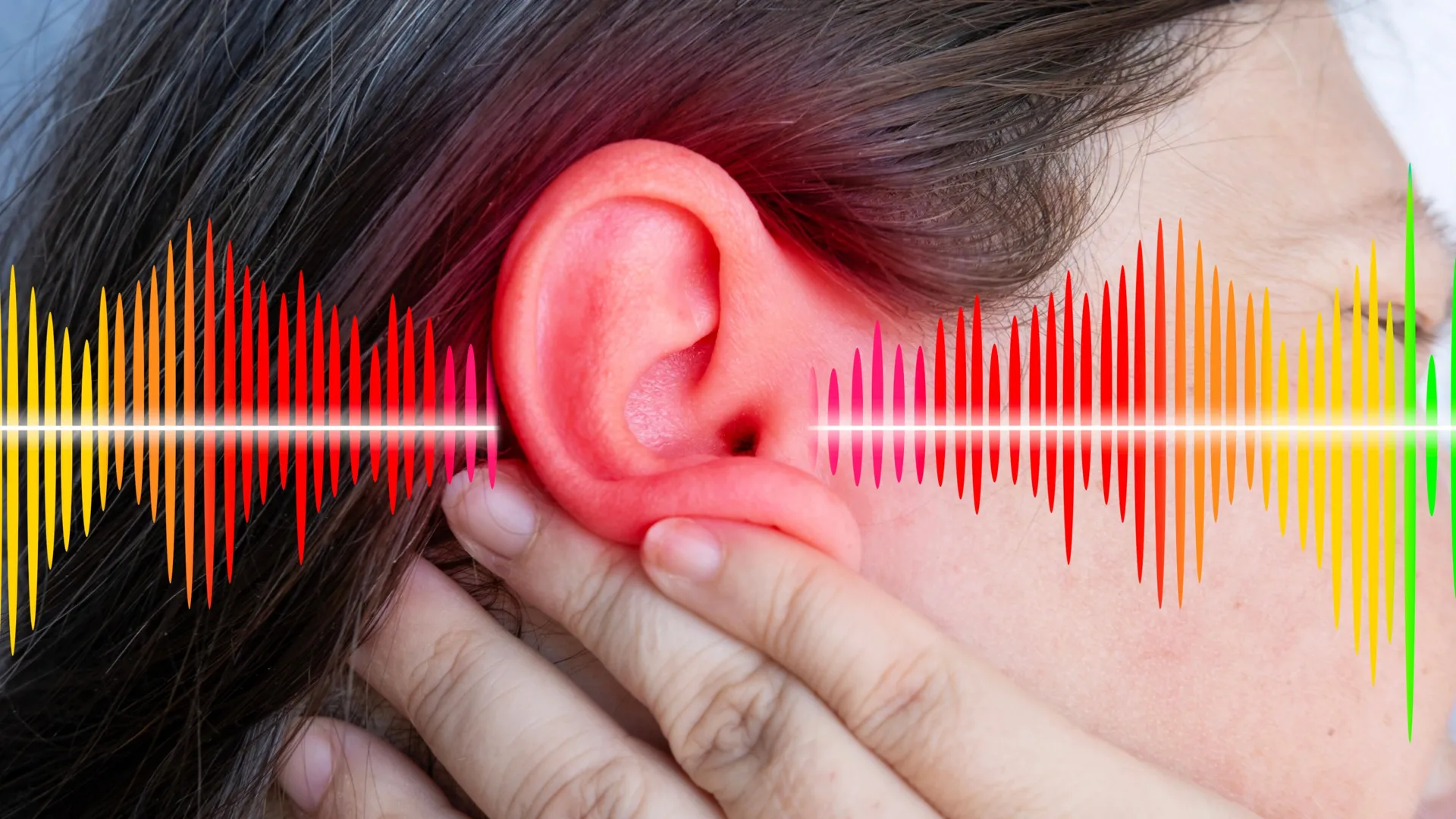
Using sophisticated light-based stimulation in mice, scientists identified a direct link between serotonin and tinnitus-like behavior. They found that activating certain serotonin-producing neurons in the brainstem triggered a cascade of signals that ultimately intensified the perception of phantom sounds—the hallmark of tinnitus. This suggests that serotonin, often called the brain’s “feel good” chemical, may actually fuel the ringing rather than soothe it. The study indicates that specific serotonin receptors and circuits are involved, opening a new pathway for understanding how tinnitus develops and why it persists.
How was the research conducted?
The team employed optogenetics, a technique that uses light to control genetically modified neurons in living mice. By targeting serotonin-producing cells in the raphe nuclei, they could precisely trigger or silence those neurons while monitoring the animals’ behavior. Mice exposed to loud noises developed tinnitus-like responses, and when serotonin activity was artificially increased, those responses grew stronger. This innovative approach allowed researchers to see cause-and-effect in real time, something impossible with traditional brain imaging. The method provides a powerful tool to dissect the neural circuits behind complex sensory disorders.
Why might SSRIs worsen tinnitus in some people?
SSRIs (selective serotonin reuptake inhibitors) work by increasing serotonin levels in the brain. While this helps many with depression or anxiety, the new study suggests that elevated serotonin can also amplify tinnitus-related neural activity. In mice, boosting serotonin led to stronger tinnitus-like behavior. This aligns with patient reports that their ringing grows louder after starting an SSRI. However, not everyone experiences this—genetic differences or specific serotonin receptor variations may determine who is affected. The findings caution doctors to monitor tinnitus changes when prescribing SSRIs, especially in those already prone to ringing ears.
What are the implications for future tinnitus treatments?
This discovery points toward new therapeutic targets. Instead of simply increasing serotonin across the brain, future drugs might aim to block specific serotonin receptors involved in tinnitus without affecting mood pathways. Alternatively, non-drug approaches like cognitive behavioral therapy or sound therapies could be combined with serotonin-modulating strategies. The study also emphasizes the need for personalized medicine: treatments should account for an individual’s serotonin system and tinnitus subtype. While a cure isn’t imminent, understanding the underlying circuit gives researchers a clear roadmap for developing more effective interventions.
How does this change our understanding of tinnitus causes?
Traditionally, tinnitus was blamed on damage to the inner ear or auditory nerve. This study shifts focus to the brain’s central chemistry. Serotonin doesn’t cause tinnitus on its own, but it may act as a modulator that turns up the volume of phantom sounds once they arise. That means the brain’s own neurotransmitter system can actively amplify the problem. This suggests tinnitus is not just a hearing disorder but a broader neural imbalance. Future research will likely explore how serotonin interacts with other chemicals like dopamine or glutamate to produce the chronic ringing millions experience.
What limitations should be considered?
The study was conducted in mice, which lack the conscious awareness of tinnitus that humans report. While the behavioral model is robust, it may not capture all aspects of the human condition. Additionally, the experiments used artificial light stimulation rather than natural serotonin release. Translation to human biology requires careful validation through brain imaging or pharmacological tests. Finally, the study focused on one specific circuit; serotonin affects many other networks. Despite these caveats, the work provides a strong foundation for further investigation and highlights the complexity of linking brain chemistry to subjective auditory experiences.