Unveiling the Cosmic Horror of Sleepover: A Q&A Exploration
Welcome to our deep dive into 'Sleepover,' a visual novel that masterfully blends post-apocalyptic dread with cosmic horror. This game taps into a universal fear: waking up alone in a world stripped of humanity. But what happens when a mysterious stranger knocks on your door? Our Q&A below explores the narrative, themes, and chilling atmosphere of this unique experience.
What is 'Sleepover' about and what makes it unique?
'Sleepover' is a cosmic horror visual novel set in a post-apocalyptic world where the protagonist wakes up to find every other person on Earth has vanished. The core twist: they are not entirely alone. A stranger appears at their front door, shattering the eerie silence and sparking a tense, unknowable relationship. Unlike typical survival stories, the game focuses on psychological and cosmic horror—the fear of the unknown, isolation, and the unsettling presence of the other. It leverages the visual novel format to deliver a narrative-driven experience where choices influence paranoia and trust. The unique blend of 'last person on Earth' trope with cosmic horror elements (unfathomable entities, existential dread) sets it apart from standard apocalypse tales. The game's tagline 'you are the last person on Earth... or are you?' perfectly captures its unsettling premise.
What is cosmic horror and how does 'Sleepover' incorporate it?
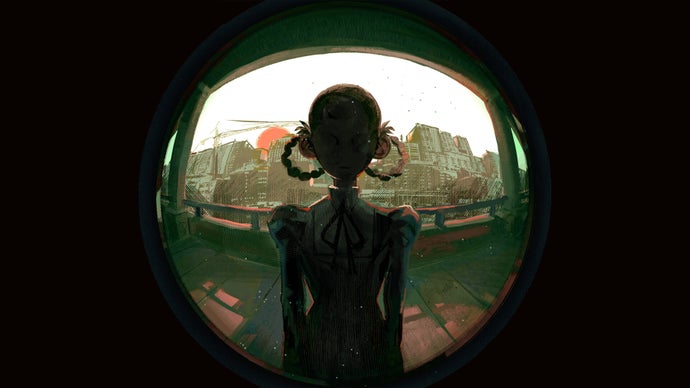
Cosmic horror, often associated with H.P. Lovecraft, emphasizes the insignificance of humanity in the face of vast, indifferent cosmic forces. It involves terror of the unknown, unnameable entities, and the breakdown of sanity. 'Sleepover' weaves this into its narrative by suggesting the disappearance of humanity might not be a natural phenomenon but the work of an incomprehensible entity. The stranger's arrival introduces ambiguity—are they a survivor, a hallucination, or something else? The game uses atmosphere (silence, dim lighting, strange sounds) and dialogue that hints at cosmic truths too terrible to grasp. The protagonist's isolation amplifies the horror, as there's no one to confirm reality. The visual novel format allows for internal monologue and subtle visual cues that build dread without explicit jumpscares, keeping the terror psychological and existential.
Who is the protagonist and what is their struggle?
The protagonist is never named, allowing players to project themselves into their shoes. They wake up one morning to an empty world—no people, no animals, just abandoned cars and silent buildings. The initial confusion gives way to gnawing loneliness. Their struggle is twofold: survival (finding food, water, shelter) and sanity (coping with total isolation). When the stranger knocks, the protagonist must decide whether to trust them. The game explores themes of paranoia, loneliness, and the human need for connection. The protagonist's inner voice reveals their desperation and fear, making every interaction with the stranger a high-stakes gamble. The lack of a backstory keeps the focus on the present nightmare, where every decision could lead to salvation or deeper horror.
Who is the stranger at the door and what role do they play?
The stranger is a pivotal character shrouded in mystery. They appear calm, perhaps too calm, given the circumstances. They claim to have survived like the protagonist, but their story has gaps. The stranger's role is to catalyze the plot—forcing the protagonist to confront the unknown. Are they genuinely helpful, offering companionship and resources? Or are they a manifestation of the cosmic horror, a herald of something worse? The game never gives clear answers, instead using dialogue choices to explore possibilities. The stranger might be the last other person, but they could also be an entity wearing a human mask. Their presence introduces tension: the need for human contact versus the instinct to flee. The visual novel's multiple endings depend on how the player navigates this relationship, making the stranger both a lifeline and a potential threat.
What is the significance of the title 'Sleepover'?
The title 'Sleepover' is deeply ironic and chilling. A sleepover typically evokes childhood fun, friends sharing secrets and snacks. Here, it subverts that comfort into a nightmare. The 'sleepover' is forced—the stranger arrives uninvited, and the protagonist must host them in a world gone silent. The word 'sleep' also hints at the cosmic horror theme: perhaps everyone didn't disappear but fell into an eternal sleep, or worse, the protagonist is trapped in a dream from which they can't wake. The visual novel plays with this ambiguity, suggesting that reality might be a thin veil over a deeper, sleeping terror. The title invites players to consider what truly happens when the last light goes out and you're left with only a stranger in the dark.
What gameplay elements does 'Sleepover' offer beyond the story?
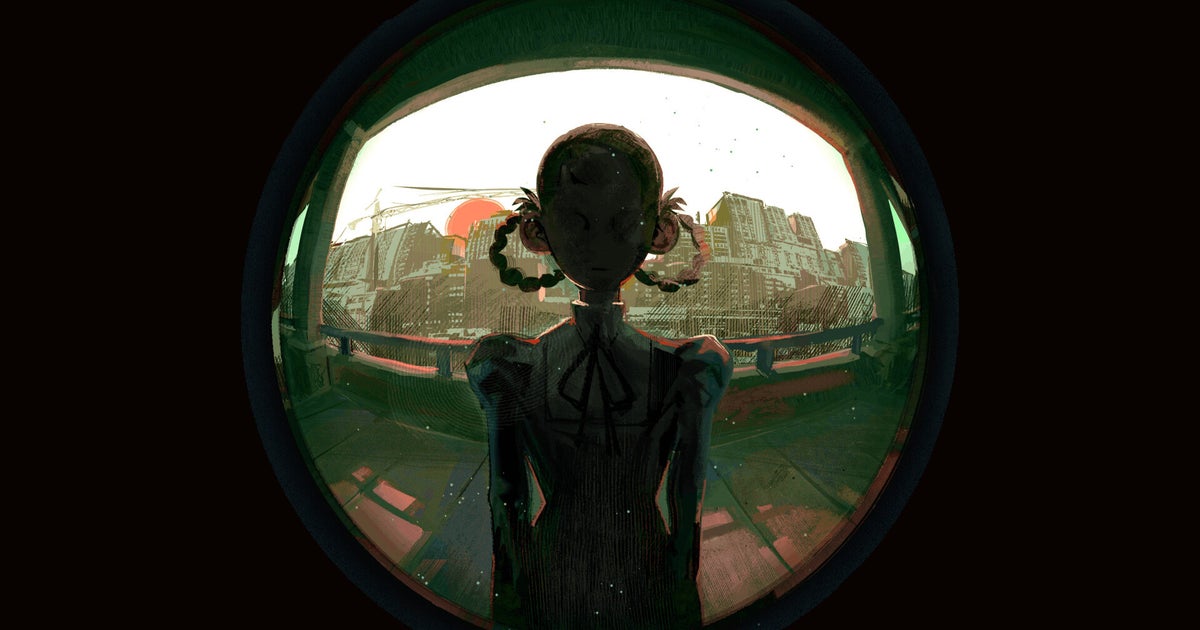
Although primarily narrative-driven, 'Sleepover' incorporates light gameplay mechanics to enhance immersion. Players make choices during conversations that affect trust levels and story branches. There are also exploration segments where the protagonist can examine their home, find notes, and piece together clues about the disappearance. These elements create a sense of agency, making each playthrough unique. The game features a sanity meter that depletes when the character experiences fear or makes poor decisions, leading to different visual distortions and narrative outcomes. The visual novel format includes stunning hand-drawn art and a haunting soundtrack that shifts with the mood. While not action-packed, the slow-burn tension keeps players on edge, and multiple endings encourage replayability to uncover all secrets.
What inspired the creators to develop 'Sleepover'?
According to the developers, the concept was born from a common, paralyzing fear of waking up completely alone in the world. They wanted to explore the psychological breakdown that follows extreme isolation. Adding cosmic horror came from the idea that if everyone disappeared, the cause most likely would be beyond human understanding—something vast and indifferent. They drew inspiration from classic horror literature (The Thing, Lovecraft's stories) and existential philosophy. The visual novel format was chosen for its ability to convey internal monologue and subtle emotional shifts through text and art. The creator's personal experiences with anxiety and loneliness also informed the protagonist's vulnerability. The goal was to create a horror that doesn't rely on monsters but on the uncertainty of the human connection—when trust could be your salvation or your doom.
Where can players find 'Sleepover' and what is its intended audience?
'Sleepover' is currently available on Steam and itch.io for PC and Mac. It is also in development for Nintendo Switch. The game is rated M for Mature due to psychological horror themes, mild gore, and disturbing imagery. It is intended for fans of narrative-driven games, cosmic horror, and visual novels like 'Doki Doki Literature Club' or 'The Letter.' Players who enjoy deep, introspective horror over action will find it compelling. The game's playtime is approximately 4–6 hours for a single run, with multiple endings that add replay value. It's perfect for those who appreciate a slow-burn, thought-provoking narrative that lingers long after the credits roll. For updates and community discussions, follow the developer on Twitter or join their Discord server.