Unearthing the Giant: A Guide to Thailand's Largest Known Sauropod Discovery
Overview
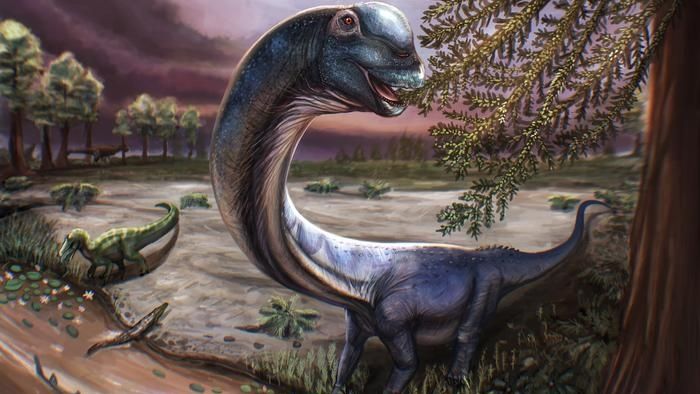
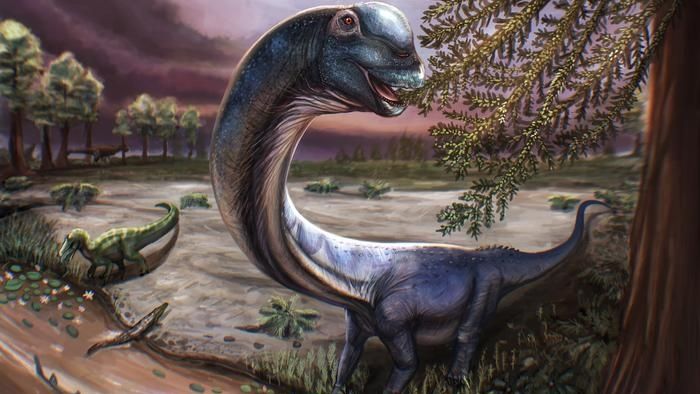
In a groundbreaking paleontological find, researchers have identified a new species of long-necked dinosaur in Thailand that represents the largest known sauropod from Southeast Asia. Dubbed the "last titan" of the region, this creature roamed the ancient landscapes up to 120 million years ago, during the Early Cretaceous period. This guide will walk you through the discovery process, the significance of the find, and how to interpret the evidence that places this dinosaur at the top of the region's prehistoric giants. Whether you're a student, enthusiast, or curious learner, you'll gain a deeper appreciation for how paleontologists piece together the past.
Prerequisites
Before diving into the details of this discovery, familiarize yourself with these basic concepts:
- Sauropod morphology: Long neck, small head, massive body, quadrupedal stance.
- Geological time scale: Understanding the Early Cretaceous period (approximately 145 to 100 million years ago).
- Fossilization process: How bones become preserved in sedimentary rock.
- Taxonomy basics: Species, genus, family classification.
No prior paleontology expertise is required, but a willingness to learn some scientific terminology will help.
Step-by-Step: How This Dinosaur Was Discovered and Interpreted
Step 1: Locating the Fossil Site
Thai paleontologists from the Department of Mineral Resources and Mahasarakham University were conducting field surveys in the Khorat Plateau region, known for its rich fossil beds. The site, near the town of Nong Bua Lamphu, showed surface bone fragments eroding from sandstone layers. Systematic excavation began after initial surveys confirmed the presence of large vertebrae.
Step 2: Excavation and Recovery
Using standard paleontological techniques, the team carefully removed overburden (layers of soil and rock) with picks and brushes. Once bones were exposed, they were hardened with a consolidant (usually a dilute solution of PVA or acrylic resin) and plaster jackets were applied for protection. The excavation revealed a partial skeleton, including neck vertebrae, ribs, and limb elements. The most striking feature was the elongated neck bones indicating an extremely long neck.
Step 3: Preparation and Analysis
Back in the lab, the fossils were cleaned of rock matrix using air scribes and needles. Researchers measured and photographed each bone, then compared them to known sauropod species from Asia and worldwide. Key measurements included the length and width of cervical vertebrae, which were significantly larger than those of any previously described Thai sauropod. The team used phylogenetic analysis software (e.g., PAUP or TNT) to input morphological characters and determine the new species' placement within the sauropod family tree.
Step 4: Naming the New Species
Based on the unique combination of features, especially the elongated neck and overall size, the dinosaur was formally described as a new taxon. The name, yet to be officially published (but referred to in news as the "last titan"), likely honors its Thai origin and massive proportions. The scientific paper specifies the holotype specimen (the single reference specimen) that defines the species.
Step 5: Interpreting the Data
The analysis showed that this sauropod lived approximately 120 million years ago, making it one of the last large sauropods in the region before environmental changes. Its neck length exceeds all other known Southeast Asian sauropods, indicating a high-browsing feeding strategy. The size also suggests a mature adult, possibly over 30 meters long, though fragmentary remains prevent exact length estimates.
Common Mistakes in Interpreting Dinosaur Discoveries
- Confusing size with age: Larger bones don't automatically mean older animal; growth marks must be examined.
- Assuming completeness: Many fossil finds are partial; the "largest" title applies to known remains, not the actual animal's potential maximum size.
- Misidentifying geographic significance: Calling it "Southeast Asia's largest" means it exceeds other species from the same region, but not necessarily global comparisons.
- Overinterpreting behavior: Neck length suggests high browsing, but without biomechanical studies, this remains a hypothesis.
Summary
This discovery highlights Thailand's vital role in understanding Mesozoic biodiversity. The new species represents the longest-necked dinosaur ever found in Southeast Asia, dating to around 120 million years ago. Its identification involved careful excavation, comparative anatomy, and phylogenetic analysis. For those interested in paleontology, this find underscores the importance of continued fieldwork in understudied regions.