Forgotten 18th-Century Volcano Design Erupts to Life with Modern Technology
For over two centuries, a visionary design for a mechanical volcano lay dormant on paper—a forgotten marvel from the age of Enlightenment. Now, thanks to the ingenuity of two engineering students at the University of Melbourne, that 1775 concept has finally erupted into a stunning, working replica. Combining a historic watercolor and sketch with modern electronics, the project brings the explosive drama of Mount Vesuvius back to life.
The Vision of Sir William Hamilton
In the late 18th century, Sir William Hamilton, British envoy to the Kingdom of Naples and an avid volcanology enthusiast, became captivated by the raw power of Mount Vesuvius. He documented its eruptions in detailed paintings and sketches, but his ambitions extended beyond observation. In 1775, Hamilton conceived a grand mechanical model that could simulate the volcano's fiery flows and thunderous blasts—a blend of art, science, and engineering well ahead of its time.
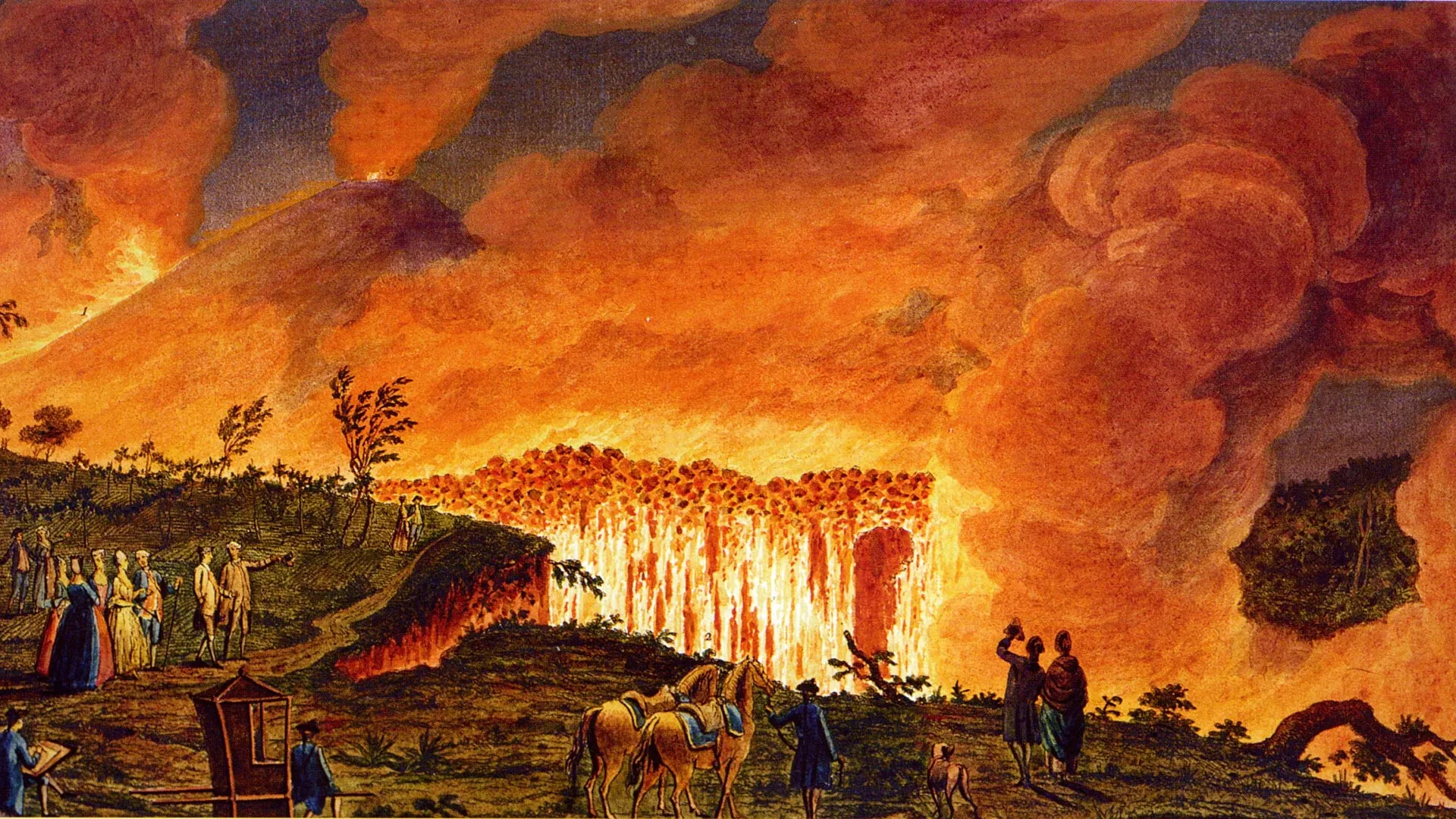
Unfortunately, the technology of the era couldn't bring his vision to reality. The design remained a curiosity, preserved in a watercolor and a separate technical sketch that wound up in archives. For 250 years, the mechanical volcano was an unrealized dream, waiting for the right moment—and the right minds—to awaken it.
Modern Engineering Brings History to Life
Enter two University of Melbourne students, whose passion for historical mechanics and modern fabrication turned Hamilton's blueprint into working reality. Working from the 18th-century watercolor and the saved sketch, they decoded the original intent: a system of moving parts, vents, and lighting effects meant to mimic a volcanic eruption.
From Watercolor to Working Model
The team faced the challenge of interpreting Hamilton's artwork. The watercolor showed the volcano’s dramatic glow and smoke, while the sketch provided structural hints. Using computer-aided design (CAD) and 3D printing, they recreated the frame and internal mechanisms. The result is a faithful replica that captures the aesthetic of the original concept while incorporating reliable modern materials.
Technology Behind the Eruption
To achieve the realistic glow and explosive character Hamilton intended, the students integrated LED lighting and electronic control systems. Programmable lights simulate the deepening red and orange of lava, while a system of motors and fans drives smoke-like effects and sudden bursts—all coordinated to mimic the unpredictability of a real volcanic event. The model also includes Hamilton’s original design details, such as a heat source area and vent positions.
Significance and Legacy
This recreation is more than a technical achievement; it is a bridge between centuries of scientific curiosity and engineering skill. By bringing Hamilton’s mechanical volcano to life, the students demonstrate how historical ideas can inspire modern innovation. The project also highlights the value of preserving and studying old designs, even those that once seemed impossible.
In an age where virtual simulations dominate, the physical model offers a tangible connection to the past. It stands as a tribute to Sir William Hamilton's foresight and a testament to the power of interdisciplinary collaboration—art, history, and engineering working together to make the impossible possible.
About the Project
- Original Designer: Sir William Hamilton (1775)
- Recreated by: Two engineering students, University of Melbourne
- Key Technologies: LED lighting, electronic control systems, 3D printing, CAD
- Inspiration: 18th-century watercolor and preserved sketch of Mount Vesuvius
To learn more about the original design or the modern engineering process, use the links above. The volcano may have waited 250 years, but it now erupts with a brilliance its creator could only imagine.