Critical Mineral Mines Create Toxic 'Sacrifice Zones'—Child Labor and Birth Defects Soar
Breaking: New Report Exposes Devastating Toll of Critical Mineral Mining
A sweeping investigation reveals that mines supplying minerals for AI and clean energy are creating 'sacrifice zones' worldwide. These areas suffer severe water contamination, rampant child labor, and a spike in birth defects, according to data released Tuesday.
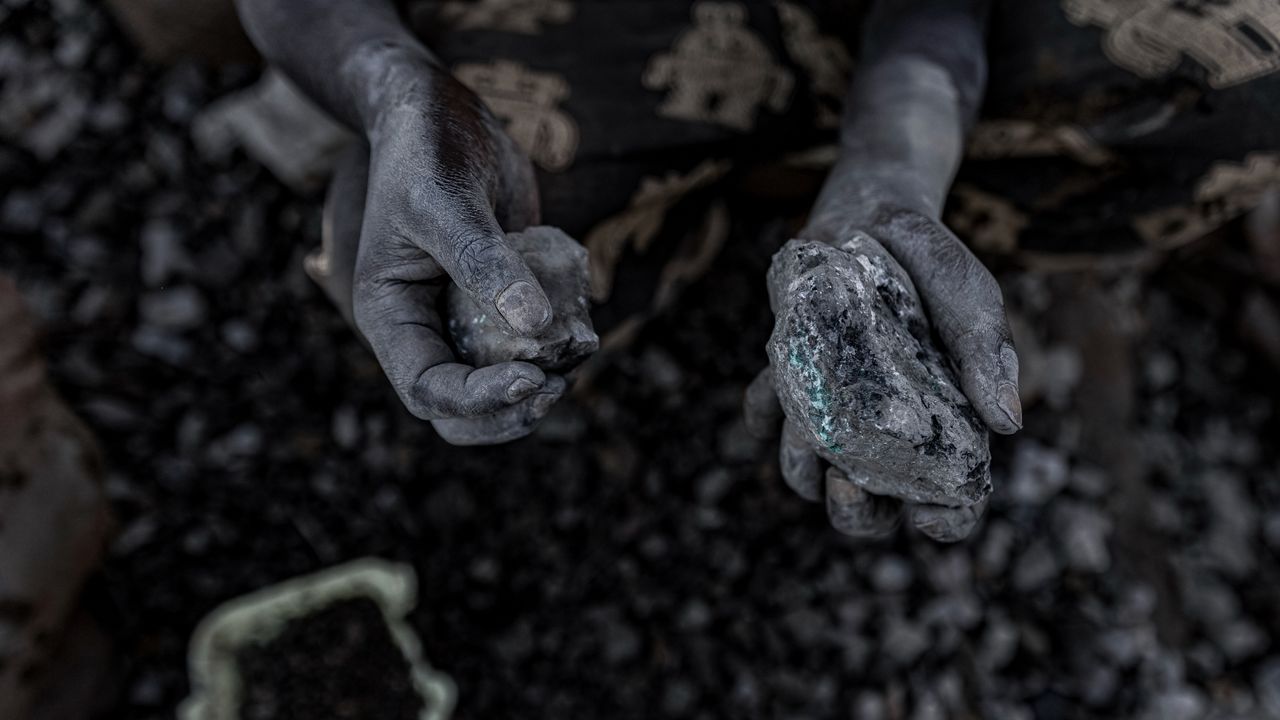
The findings underscore the hidden human and environmental costs of the global race for lithium, cobalt, and rare earths. Experts warn that the pursuit of a green transition is leaving the world's poorest communities poisoned.
Background: The Rush for Green Tech Minerals
Demand for critical minerals has soared as nations push to electrify transport and power AI data centers. Mining operations have expanded rapidly in developing countries with weak regulations.
Local communities near these mines often lack clean water and face toxic runoff. The report documents alarming health outcomes, including congenital disabilities linked to heavy metal exposure.
“We are seeing entire villages turned into sacrifice zones where children work in conditions that violate international law,” said Dr. Maria Torres, a public health researcher at the Global Mining Watch. “The birth defect rate in some areas is four times the national average.”
What This Means: A Green Revolution Built on Suffering
The report forces a reckoning for industries that market themselves as sustainable. Without stricter oversight, the clean energy transition may replicate the same exploitative patterns as fossil fuel extraction.
“Consumers and investors must demand supply chain transparency,” said James Kariuki, a human rights lawyer who contributed to the investigation. “Otherwise, we are powering our future on poisoned water and broken bodies.”
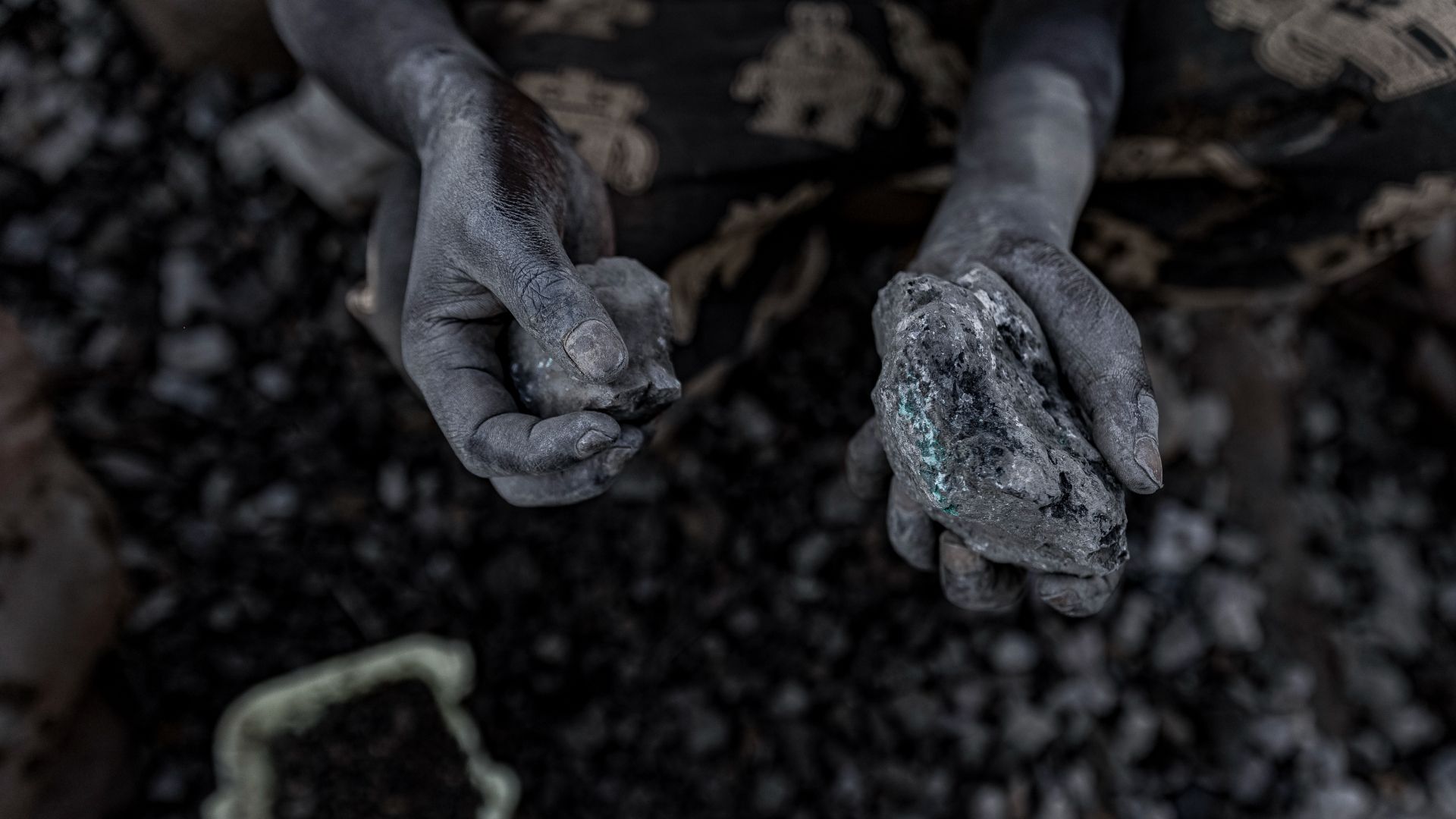
Governments are under pressure to enforce environmental and labor standards. The mining companies, however, argue that they provide economic opportunities in impoverished regions.
“We follow local laws and invest in community projects,” said a spokesperson for the International Mining Association, speaking on condition of anonymity. But critics say voluntary measures have failed to stop the damage.
Meanwhile, activists call for a radical shift in mineral consumption, including recycling and reducing demand. The report recommends a moratorium on new mines until independent audits are completed.
“This is not about stopping progress,” Dr. Torres added. “It is about ensuring that progress does not come at the expense of human life.”
Urgent Call for Action
As the world races toward AI and clean energy, the human toll of critical mineral extraction can no longer be ignored. The report's authors urge immediate reforms, including bans on child labor and mandatory water treatment.
Failure to act risks creating permanent zones of sacrifice—where the poorest bear the cost of the richest nations' technology. The next step: global leaders must decide whether to regulate or repeat history's worst mistakes.