Rising Threat: How Warming World and Aging Pipes Are Fueling Dangerous Amoebas
As global temperatures climb and water infrastructure ages, microscopic organisms once considered harmless are gaining attention. Free-living amoebae, a group of single-celled creatures, are increasingly linked to severe, sometimes fatal infections. Scientists warn that these amoebas are not only becoming more common but also more resilient, posing a new frontier in public health. Understanding the threat and how to counter it requires digging into the science behind these tiny but formidable pathogens.
1. What exactly are free-living amoebae and why should we care?
Free-living amoebae are single-celled microorganisms that thrive in natural environments like soil, freshwater lakes, rivers, and even man-made systems such as tap water and cooling towers. Unlike parasitic amoebae (e.g., those causing dysentery), they do not require a host to survive. However, certain species have evolved the ability to infect humans and animals, leading to severe diseases. These include Naegleria fowleri, Acanthamoeba species, and Balamuthia mandrillaris. While most strains are harmless, the pathogenic ones can be deadly, causing brain infections, eye ulcers, and skin lesions. Their growing prevalence, especially in regions with warming water temperatures, makes them a global health priority. Awareness is crucial because early diagnosis is rare and treatment options are limited.
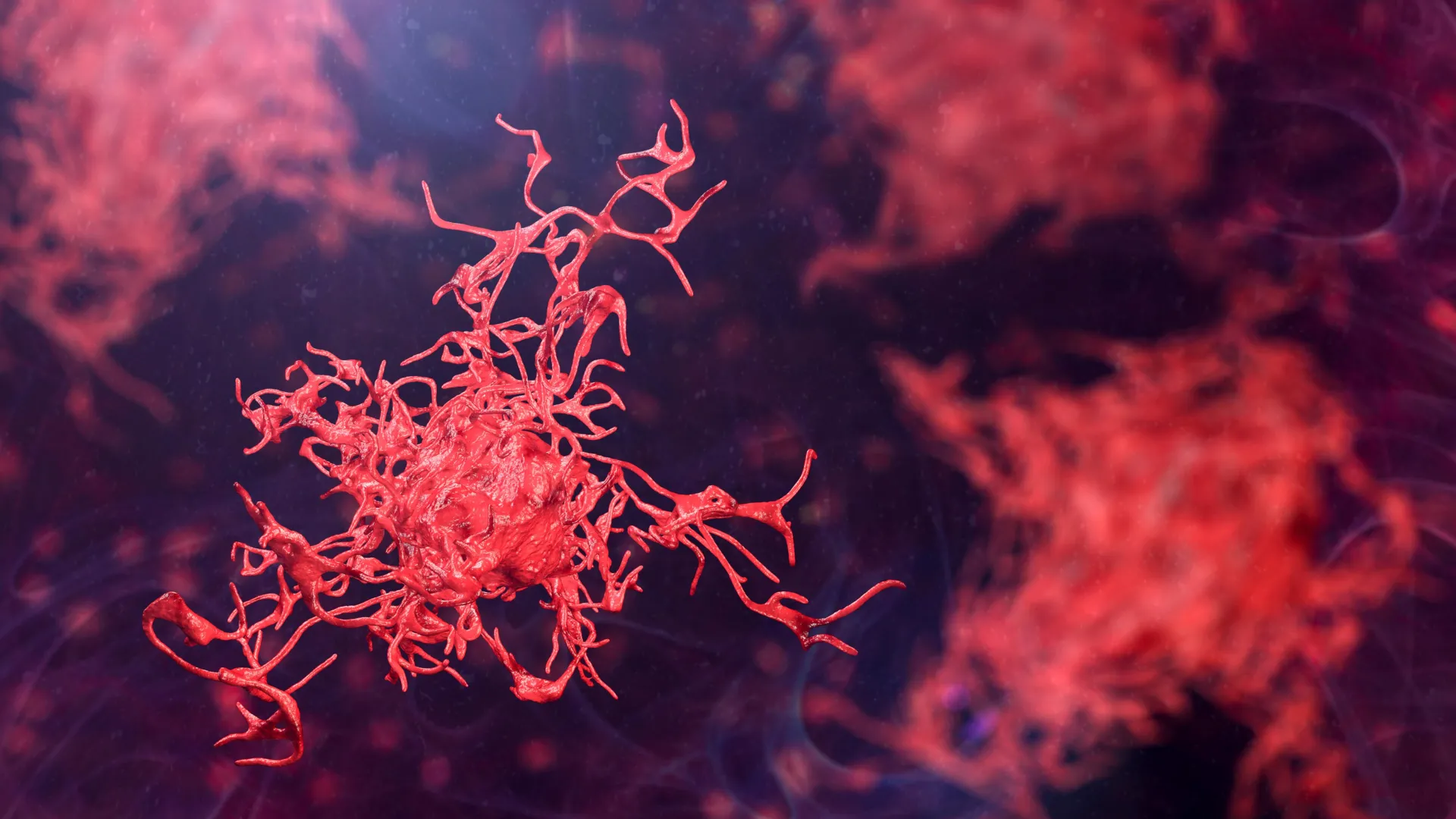
2. How exactly do these amoebas cause disease in humans?
Infection pathways vary by species. Naegleria fowleri, known as the “brain-eating amoeba,” enters the body through contaminated water forced up the nose—commonly while swimming, diving, or using neti pots with unsanitary water. It then migrates to the brain, causing primary amebic meningoencephalitis (PAM), a rapidly fatal condition. Acanthamoeba species can cause severe eye infections (keratitis), especially in contact lens users, and rare but serious skin and brain infections in immunocompromised individuals. Balamuthia mandrillaris often enters through skin wounds or inhalation, leading to chronic granulomatous amebic encephalitis. Once inside the body, amoebae reproduce and destroy tissue, triggering inflammation that often overwhelms the host. The rarity and nonspecific symptoms lead to frequent misdiagnosis, contributing to high mortality rates.
3. Why are amoebas becoming a bigger problem now?
Two major drivers are accelerating the spread of free-living amoebae: climate change and aging water infrastructure. Rising global temperatures are warming freshwater bodies, creating ideal conditions for amoebae to thrive and reproduce faster. Naegleria fowleri, for example, flourishes in water above 77°F (25°C) and is now being detected in northern regions that were previously too cool. Meanwhile, many countries rely on outdated water systems—including old pipes, storage tanks, and cooling towers—that lack effective filtration and disinfection. These systems can harbor biofilms where amoebae and other pathogens persist. Poor maintenance and intermittent water flow further allow amoebae to colonize. Scientists emphasize that without upgraded surveillance and treatment, the geographic range and incidence of infections will likely continue to expand.
4. What makes these amoebas so hard to eliminate?
Free-living amoebae exhibit remarkable resilience that makes them difficult to control. Many species form durable cysts—a dormant, protected stage that can survive extreme heat, drought, and chemical disinfectants like chlorine. This cyst wall is impermeable and allows amoebae to persist for months or even years in water systems. They also actively feed on bacteria, including Legionella, and can incorporate them into protective structures, as discussed in question 5. Furthermore, amoebae thrive in biofilms—slimy microbial communities that coat pipes and surfaces. Biofilms provide shelter from disinfectants and make physical removal challenging. Standard drinking water treatment may not effectively eliminate cysts, especially in aging infrastructure with low residual disinfectant levels. Scientists call for advanced methods like ultraviolet light, ozone, or higher chlorine concentrations, but these are costly and not widely implemented.
5. Can amoebas protect other dangerous microbes?
Yes, this is one of the most concerning aspects. Free-living amoebae act as “Trojan horses” for other pathogens. They can engulf and internalize bacteria such as Legionella pneumophila (causing Legionnaires’ disease), Mycobacterium, and Pseudomonas. Instead of digesting these microbes, the amoebae sometimes allow them to survive and multiply inside specialized vacuoles. This intracellular life makes the bacteria more resistant to antibiotic treatments and disinfectants. Moreover, when amoebae form cysts, they can trap these bacteria inside, protecting them from harsh external conditions. Upon excystment (returning to active form), the bacteria are released into the environment, potentially causing new infections. This symbiotic relationship complicates public health efforts, as eradicating amoebae also reduces the reservoirs for other dangerous microbes.
6. What are the most concerning types of infections?
The most feared infection is primary amebic meningoencephalitis (PAM) caused by Naegleria fowleri. Though extremely rare (fewer than 20 cases per year in the U.S.), it is nearly always fatal, with only a handful of survivors ever reported. Symptoms start with headache and fever and rapidly progress to coma and death within days. Balamuthia mandrillaris infection (granulomatous amebic encephalitis) is also highly lethal, with chronic progression that mimics brain tumors. Acanthamoeba causes a wide range of diseases: keratitis (corneal infection) can lead to blindness if untreated, and disseminated infections in immunocompromised patients have a high mortality. Additionally, these amoebae can contribute to polymicrobial infections by harboring other pathogens. The lack of effective, well-tolerated drugs makes treatment challenging, necessitating swift diagnosis—a rare feat given the nonspecific early signs.
7. What steps can be taken to reduce the risk?
Mitigating the threat requires a multipronged approach. First, improved surveillance is critical—public health agencies need to monitor amoeba presence in recreational and drinking water, especially in regions with warming climates. Second, water treatment systems must be upgraded: implementing advanced oxidation, UV disinfection, or maintaining adequate chlorine residuals can reduce amoebae and their associated microbes. Third, public awareness campaigns should educate on avoiding Naegleria risks—like not allowing water up the nose during swimming or using only sterile water for nasal rinses. For contact lens users, strict hygiene and avoidance of tap water can prevent Acanthamoeba keratitis. Finally, research into new drugs and rapid diagnostic tools is urgently needed. International collaboration and investment in infrastructure will be key to staying ahead of these emerging pathogens.