10 Incredible Revelations from the Cambrian Fossil Bonanza That Rewrite Early Life
Introduction: Roughly 540 million years ago, Earth’s oceans teemed with bizarre creatures that seem like aliens from a sci-fi movie. A recent treasure trove of Cambrian fossils has shattered old assumptions, revealing a far more complex and rapid explosion of life than scientists ever imagined. This numbered list dives into the ten most astonishing findings from this extraordinary deposit—each one a piece of the puzzle that rewrites the story of early animal evolution. From soft-bodied wonders to predatory giants, prepare for a journey back to the dawn of complex life.
1. The Cambrian Explosion Was a True Rapid-Fire Event
For decades, paleontologists debated whether the sudden appearance of complex animals in the fossil record was an artifact of preservation or a genuine biological burst. The new site—packed with exquisitely preserved soft tissues—confirms it was the latter. Within a geological blink of 10 to 20 million years, almost all major animal phyla emerged. The fossils show that Arthropods, Mollusks, and even early Chordates appeared nearly simultaneously, challenging gradualist models of evolution. This rapid diversification implies that ecological triggers—like rising oxygen levels—may have acted as a catalyst, turning the seas into a crucible of innovation.
2. Soft-Bodied Creatures Dominate the Fossil Record
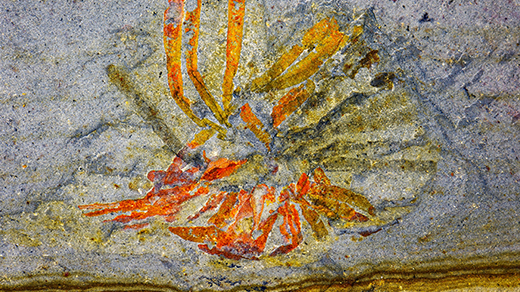
Most Cambrian fossil sites preserve only hard shells and bones, but this remarkable deposit captures soft tissues in stunning detail. Among the stars are phallic-looking worms known as Ottoia, which burrowed through seafloor sediments. Their flesh and internal organs are preserved as carbon films, revealing digestive tracts and muscle bands. Such preservation—rare outside of Burgess Shale-type deposits—allows scientists to reconstruct behaviors: these worms likely bulldozed organic matter, aerating the seafloor and shaping the ecosystem. Without soft tissue, we would never know their true diversity or ecological roles.
3. Blind Swimming Predators Ruled the Water Column
One of the most shocking discoveries is a group of blind, swimming animals that used whiplike tentacles to capture prey. These creatures, related to Anomalocaris, had no eyes but possessed an array of flexible appendages. The fossils show these tentacles were covered with spines and sticky secretions, suggesting they functioned like living nets. This ambush strategy for blind predators indicates that vision was not essential in the dim, turbid Cambrian seas. Instead, touch and chemical sensing guided these hunters, revealing a sensory world we never imagined.
4. Mollusks Were Surprisingly Diverse from the Start
Early versions of mollusks, such as small cone-shaped shells and early bivalves, have long been known from the Cambrian. But the new site doubles their known diversity, including soft-bodied slugs and spiny chitons. One fossil shows a mollusk with a rasping radula preserved—the first evidence of this feeding structure in such an ancient setting. These early mollusks grazed on microbial mats, helping to cycle nutrients and create niches for later evolution. They were not primitive ancestors but already specialized, proving that molluscan evolution was a rapid, branching event.
5. Sponges Built the First Animal Reefs
While corals dominate modern reefs, the Cambrian seas were ruled by sponges. The deposit contains massive, fossilized sponge colonies that formed three-dimensional structures on the seafloor. These framework sponges, such as Choia and Leptomitus, stood tall and filter-fed, creating habitats for smaller organisms. Their intricate canals are preserved down to the cellular level, showing that early sponge ecology was far more complex than previously thought. They didn't just lie passively on the bottom; they actively engineered the environment, laying the foundation for later reef ecosystems.
6. Jellyfish Swarms Were Abundant and Varied
Fossilized jellyfish are incredibly rare due to their fragile bodies. However, this site yields dozens of specimens representing at least five distinct species. Some had stinging tentacles up to 30 cm long, clearly visible in the rock. Others showed evidence of bioluminescence—tiny photophores preserved as dark spots. This suggests that jellyfish swarms may have lit up the Cambrian nights, playing a role in the oceanic food web that had been overlooked. Their abundance implies that gelatinous zooplankton were already a key trophic level, influencing nutrient cycling and predator-prey dynamics.
7. The Fossil Site Itself Is a Geological Time Capsule
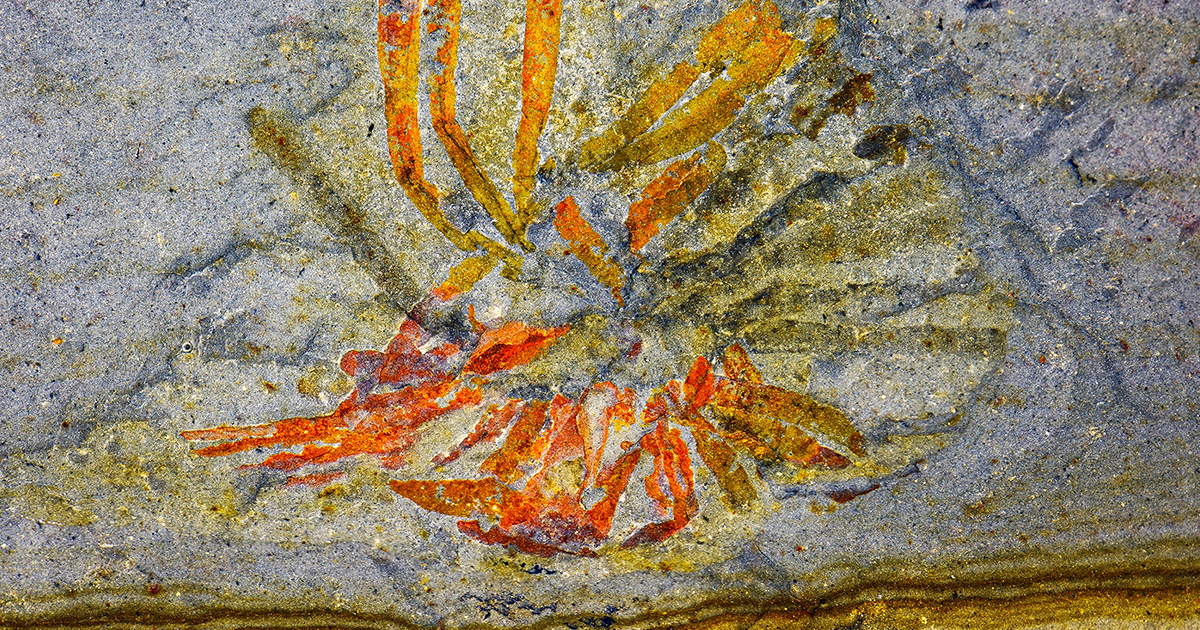
The deposit is not just a collection of fossils; it represents a unique event: a rapid burial in fine ash or sediment that smothered an entire community. This sequence captured animals in their living positions—worms in burrows, sponges upright, and swimmers startled mid-motion. Detailed analysis of the layers reveals that the burial occurred over days, not months. This time capsule effect preserves a snapshot of the ecosystem, allowing paleontologists to reconstruct food webs, behaviors, and even seasonal changes. It is as if we are looking through a window into the Cambrian world.
8. Many Cambrian Animals Had No Modern Counterparts
Nearly one-third of the genera found in this deposit belong to groups that have no living descendants. These extinct body plans include the iconic Anomalocaris and the bizarre Hallucigenia. The new site adds even weirder forms: a creature with a single walking leg and two feeding arms, and another that looked like a walking pinecone. Their strangeness underscores that the Cambrian explosion was an experiment in morphology—a period when nature tried countless forms, only a few of which survived. It reminds us that evolution is not a straight line but a branching bush of possibilities.
9. The First Predators Were Already Sophisticated
Contrary to the idea of simple, primitive hunters, the fossils reveal complex predatory adaptations. One set of fossils shows a circular mouth with razor-sharp teeth—a precursor to the mouths of later vertebrates. Another predator had jointed appendages that could grasp and crush. The presence of coprolites (fossilized dung) containing crushed shells confirms these predators were effective. This sophistication implies a co-evolutionary arms race between predators and prey that drove the rapid diversification of the Cambrian, a concept known as escalation. Predation was not a later addition but a major driver from the start.
10. This Discovery Changes How We Look for Early Life
The sheer number of soft-bodied fossils in this site has revolutionized prospecting strategies. Previously, paleontologists focused on areas with hard-shell preservation. Now, they are targeting fine-grained sedimentary basins that might harbor similar deposits. The success has already led to the discovery of two other Burgess Shale-type sites in China and Greenland. Each find yields more pieces of the puzzle, turning our understanding of early life into a dynamic, rapidly evolving story. The treasure trove is not just a collection of fossils—it is a roadmap for future exploration.
Conclusion: The Cambrian fossil bonanza has rewritten the narrative of early animal evolution. From confirming the explosive nature of diversification to revealing soft-bodied forms that challenge our imagination, each discovery peels back another layer of mystery. These ten revelations are just the beginning—the treasure trove continues to yield new secrets. As we dig deeper, we realize that the Cambrian world was not a primitive, slow start, but a vibrant, innovative explosion that set the stage for all life on Earth today.