How to Navigate the Evolving Artemis III Mission Plan: A Step-by-Step Guide
Introduction
NASA's ambitious Artemis program aims to return humans to the Moon, but the road to lunar boots is never straight. On a recent Monday, NASA Administrator Jared Isaacman informed lawmakers that both SpaceX and Blue Origin—the agency's two lunar lander contractors—now project they can have their spacecraft ready for the next big test in Earth orbit by late 2027. That's a significant shift from earlier timelines, and the mission itself has changed: Artemis III will no longer head straight to the Moon. Instead, it will serve as a crucial orbital rehearsal, meeting up with one or both landers just a few hundred miles above Earth. This guide will help you keep track of the developments, understand the key decisions ahead, and follow the mission as it evolves—step by step.
What You Need
- Basic familiarity with NASA's Artemis program (including the role of the Space Launch System, Orion capsule, and lunar landers).
- Access to reliable space news sources (such as NASA's official press releases, reputable space journalism outlets, or social media from agency officials).
- Patience and a pencil—as the old saying goes, schedules in human spaceflight are written in pencil, not ink.
- An interest in orbital mechanics and hardware decisions (what does an upper stage do, and why does altitude matter?).
Step-by-Step Guide
-
Step 1: Understand the New Timeline
Start by accepting that Artemis III will not launch before late 2027. This is the latest estimate provided by both SpaceX and Blue Origin, as relayed by Administrator Isaacman. Compare this to NASA's previous schedule (which had an earlier target) to grasp the magnitude of the delay. The shift reflects the technical challenges of developing two separate human-rated landers. Keep following congressional hearings and agency updates—these are the most authoritative sources for timeline adjustments.
-
Step 2: Recognize That Artemis III Is Now an Earth Orbital Mission
The mission's destination has changed dramatically. Instead of a lunar landing, Artemis III will launch the Orion capsule with a crew to rendezvous with one or both private landers in low Earth orbit. This is a major redirection. Understand the rationale: a safe, close-to-home test of docking, systems integration, and crew transfer before committing to a lunar voyage. This step also means that NASA saves a valuable SLS upper stage for a later lunar landing attempt—more on that in Step 5.
-
Step 3: Identify the Key Players
Two contractors are central to this new plan: SpaceX (with its Starship lander) and Blue Origin (with the Blue Moon lander, derived from its National Team design). Both have told NASA they can deliver flight-ready vehicles by late 2027. Keep tabs on their individual progress: test flights, any delays, or hardware milestones. NASA's decisions may depend on which lander gets ready first—or whether both are used in the same mission.
-
Step 4: Monitor the Orbital Altitude Debate
One of the most fluid details is the exact orbit for the rendezvous. Will it be a standard low Earth orbit (a few hundred miles up) or a higher, more elliptical orbit that mimics lunar conditions? The choice matters: a lower orbit uses less energy and might let NASA bypass an SLS upper stage (saving that hardware), while a higher orbit better simulates the thermal and radiation environment astronauts will face near the Moon. Listen for NASA's announcements on the orbit altitude—it will reveal their priority between cost savings and test fidelity.
-
Step 5: Track the SLS Upper Stage Decision
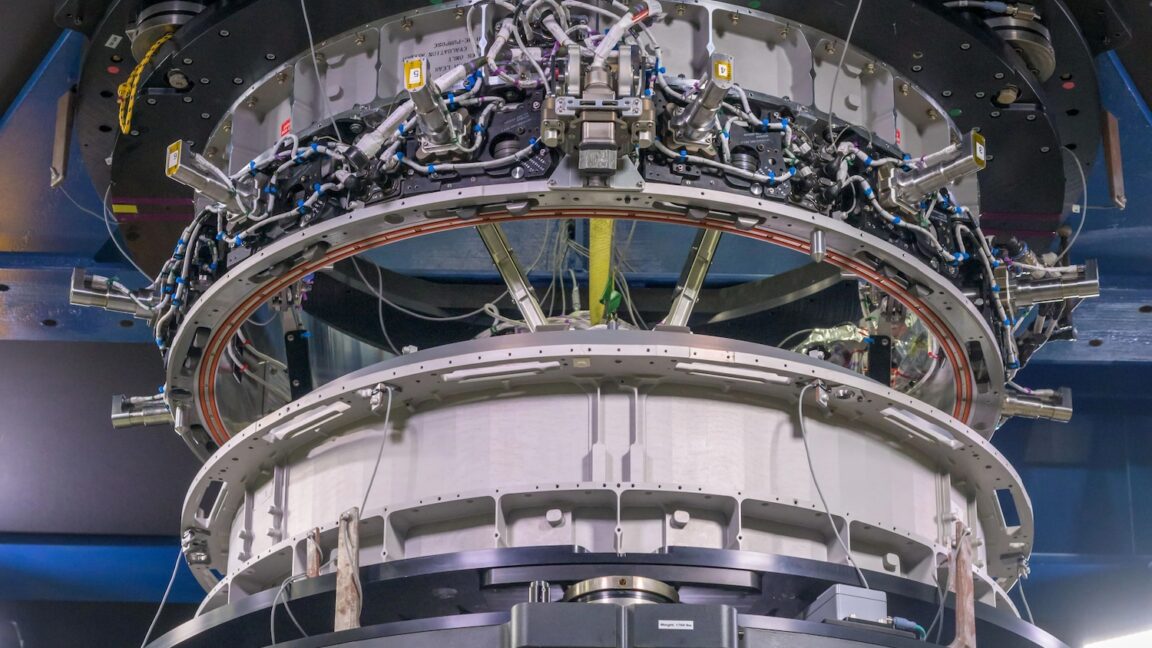
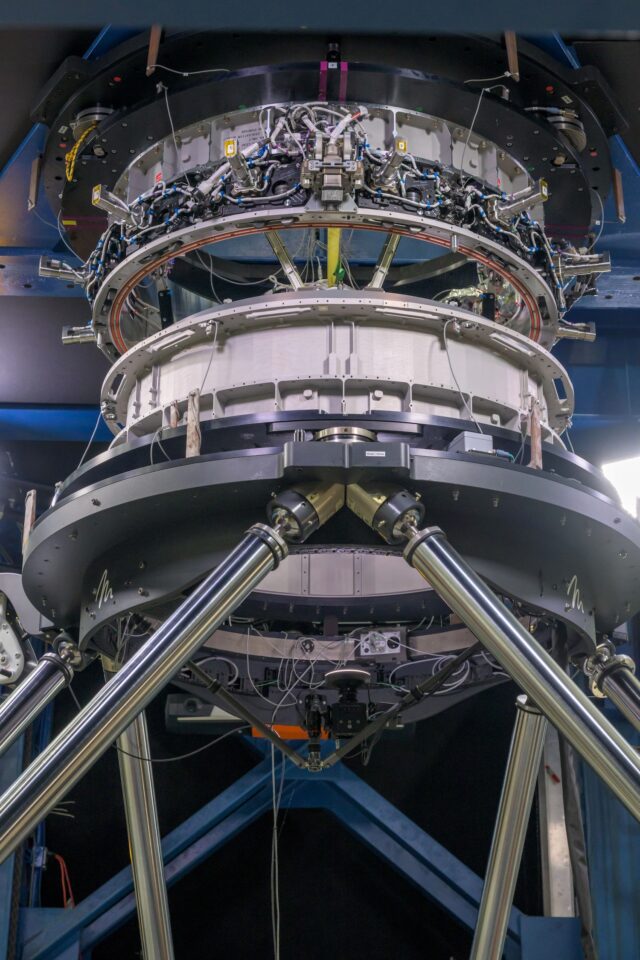
A key factor in the altitude choice is the availability of the Space Launch System's upper stage. NASA has a finite number of these stages already built or in production. If Artemis III stays in low Earth orbit, it might not require an SLS upper stage at all—preserving one for the following mission (Artemis IV, a true lunar landing). Conversely, a higher orbit would need that stage, using it up. Additionally, NASA is purchasing a new commercial upper stage, the Centaur V from United Launch Alliance, to pair with SLS after the existing stages are used. This step is about understanding how hardware allocation drives mission architecture.
Source: arstechnica.com -
Step 6: Follow the Flight Plan Review Process
The details of Artemis III's flight plan remain under review. Key unsettled questions include: Will Orion dock with both landers or only one? How long will the crew stay in orbit? What tests will be performed? NASA's internal review teams are working through these issues. To stay informed, watch for formal mission design reviews, updates to the Artemis III press kit, and statements from the program manager. These milestones are your best bet for understanding the final shape of the mission.
-
Step 7: Prepare for Further Changes
Remember that all dates and details are, as the title says, 'in pencil.' Late 2027 could slip again if technical issues arise or if funding priorities shift. Similarly, the mission's role could be reshaped by the outcome of earlier Artemis flights (like Artemis II, which will send a crew around the Moon). Keep your expectations flexible, and stay engaged with the process rather than fixating on a specific launch date.
Conclusion and Tips
The Artemis III mission is a prime example of how complex space exploration really is—full of trade-offs, tough choices, and schedule adjustments. By following these steps, you'll not only keep up with the news but understand the reasoning behind each twist. The ultimate goal remains a sustainable human presence on the Moon, but the path is iterative and built on careful testing close to home.
- Tip 1: Bookmark NASA's official Artemis webpage and set alerts for updates from the agency's press office.
- Tip 2: Follow key decision-makers (like Jared Isaacman or NASA's associate administrator for exploration) on social media for contextual comments.
- Tip 3: Don't ignore the commercial side—SpaceX and Blue Origin hold their own press conferences and release hardware updates that directly affect NASA's plans.
- Tip 4: When a new estimate emerges, compare it to the previous one and ask: what changed? A two-month slip is different from a two-year slip, and the reasons matter.
- Tip 5: Most importantly, keep a pencil handy—figuratively and literally—because these plans will be revised before the engines ever ignite.